
Level 1 sweep and inspection to the NFPA 211 annual standard - flue, crown, cap, and flashing checked and photographed
Chimney sweep logs do not sweep chimneys. They loosen some creosote - which then falls where a brush and vacuum still have to collect it.
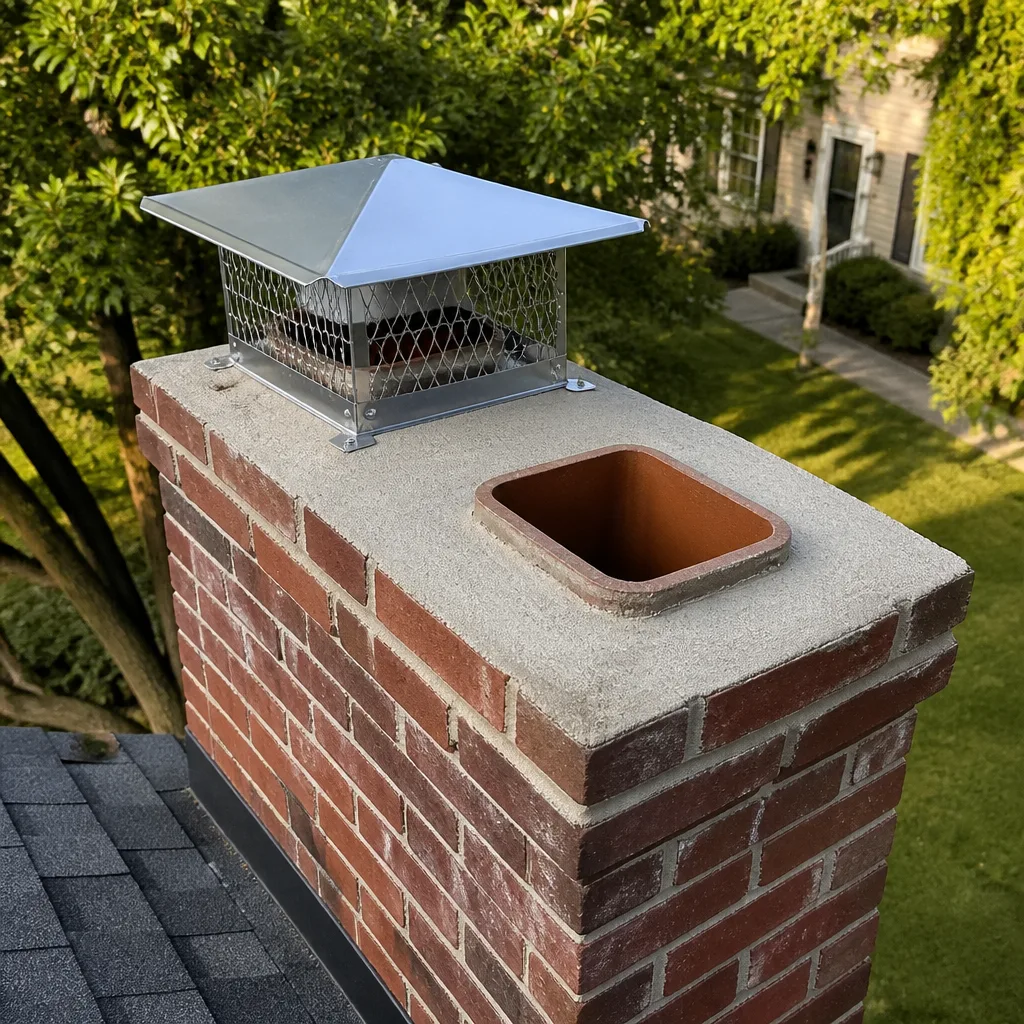
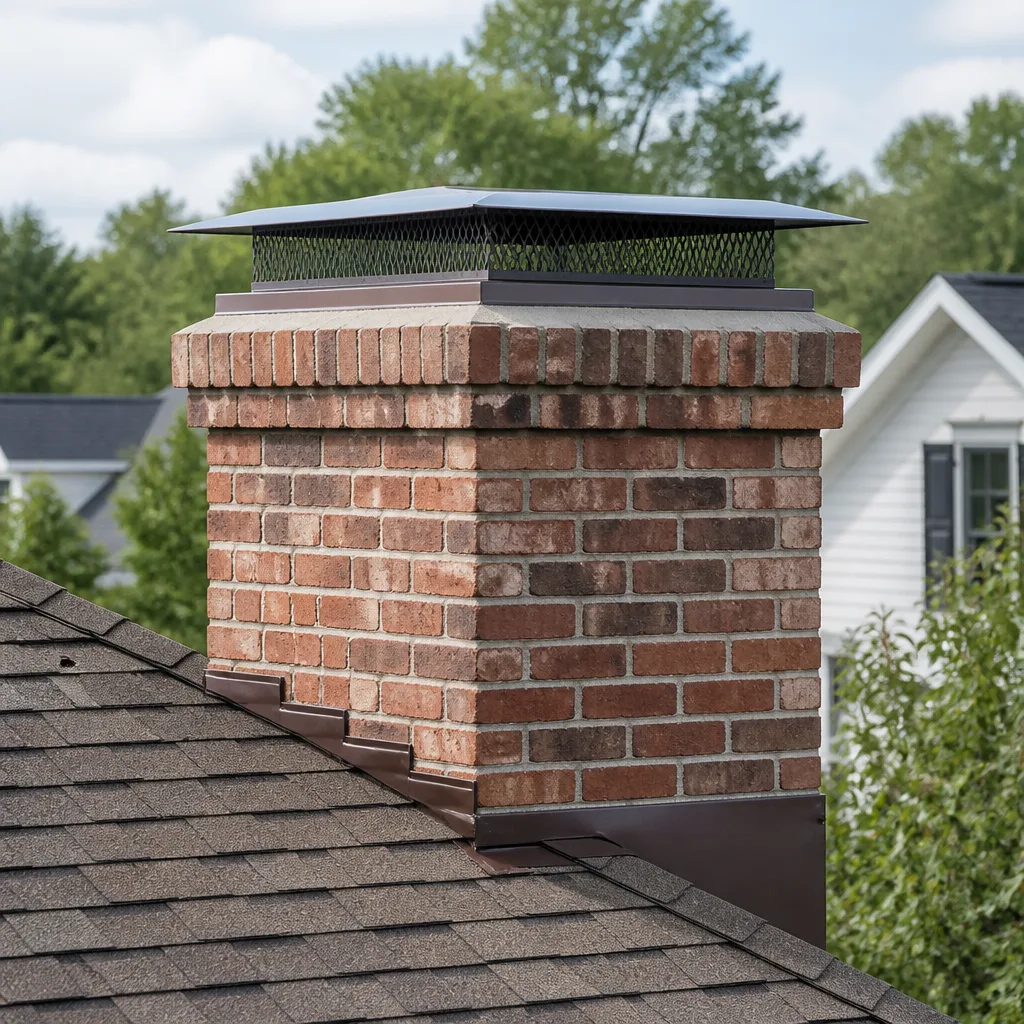
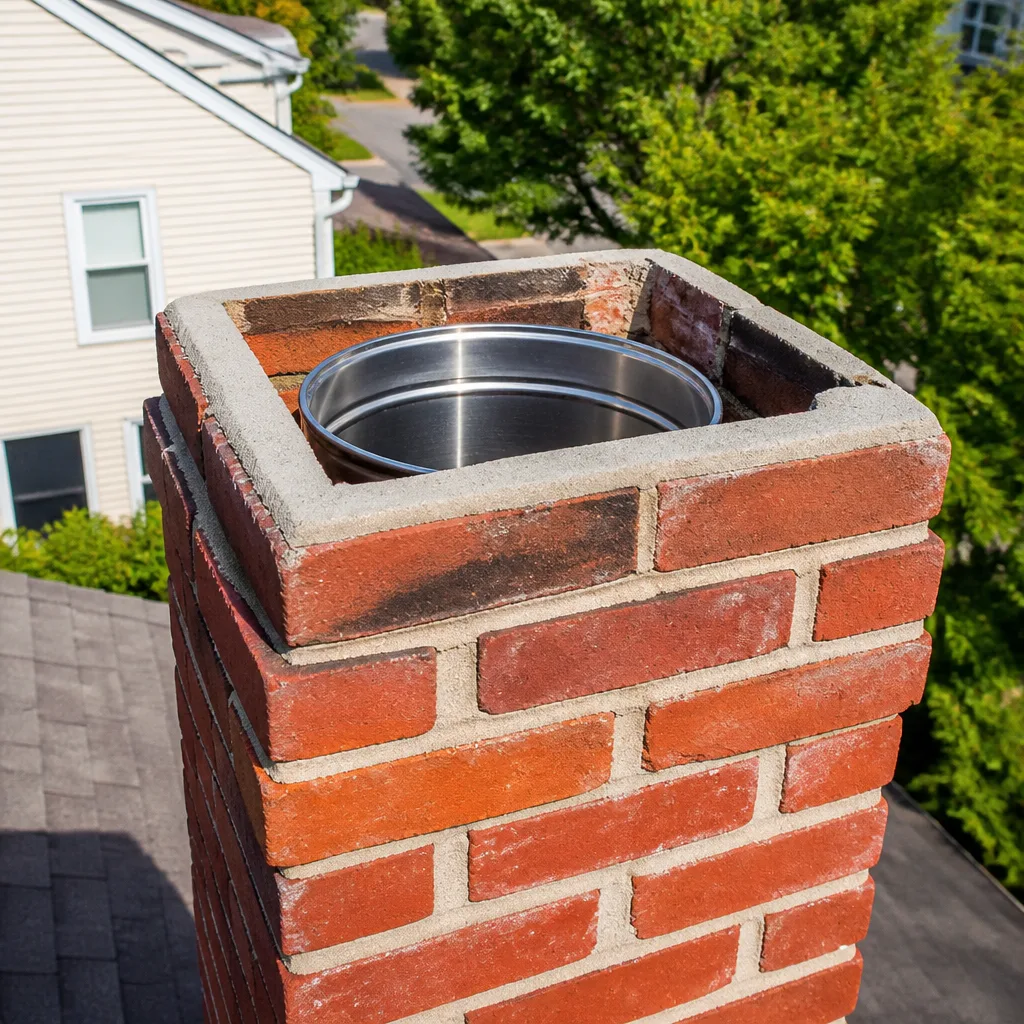
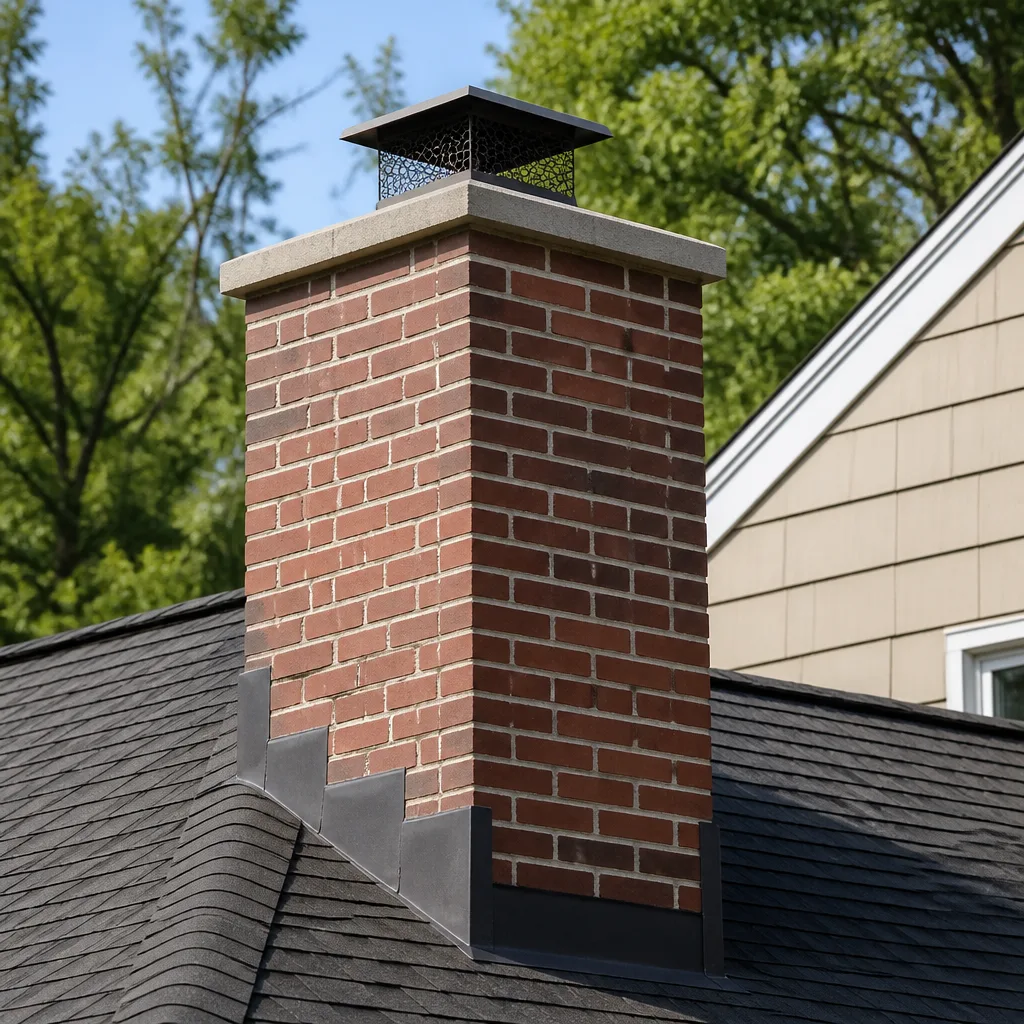
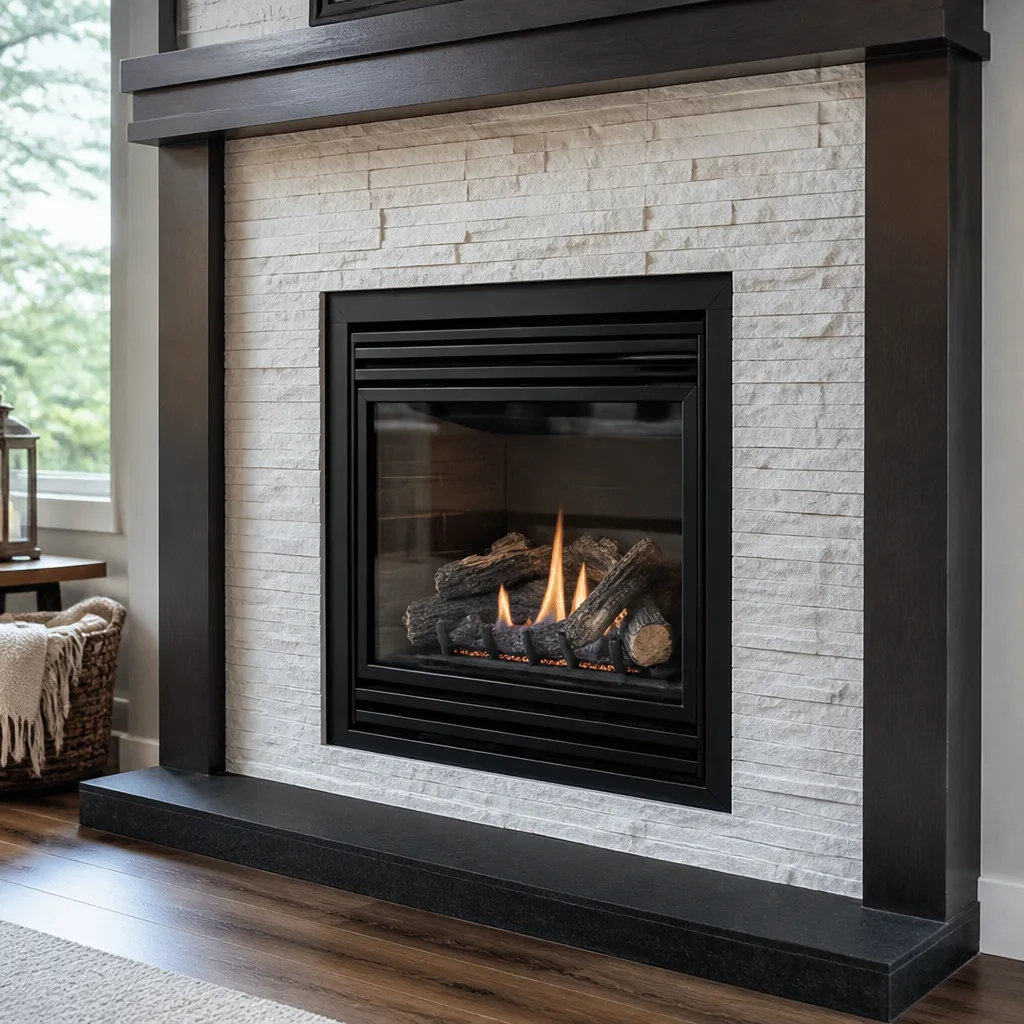
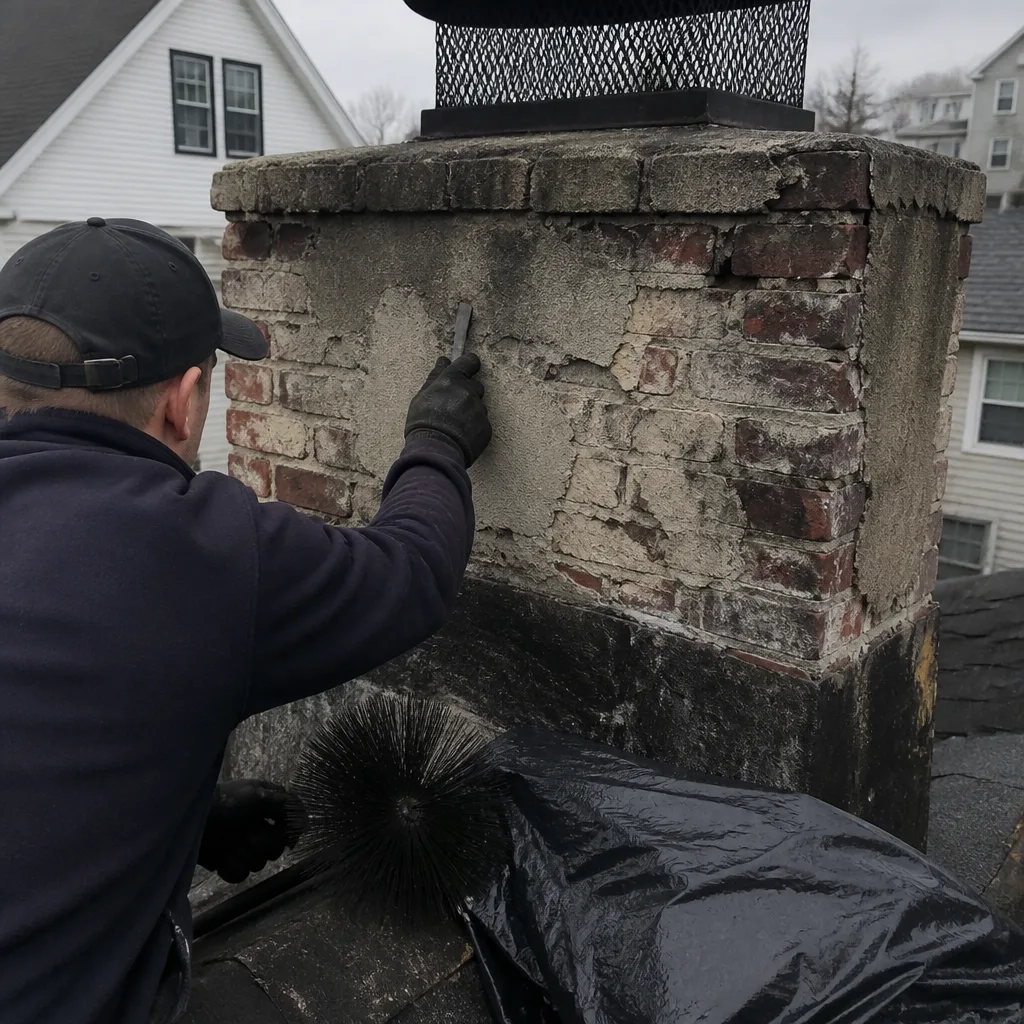 Before
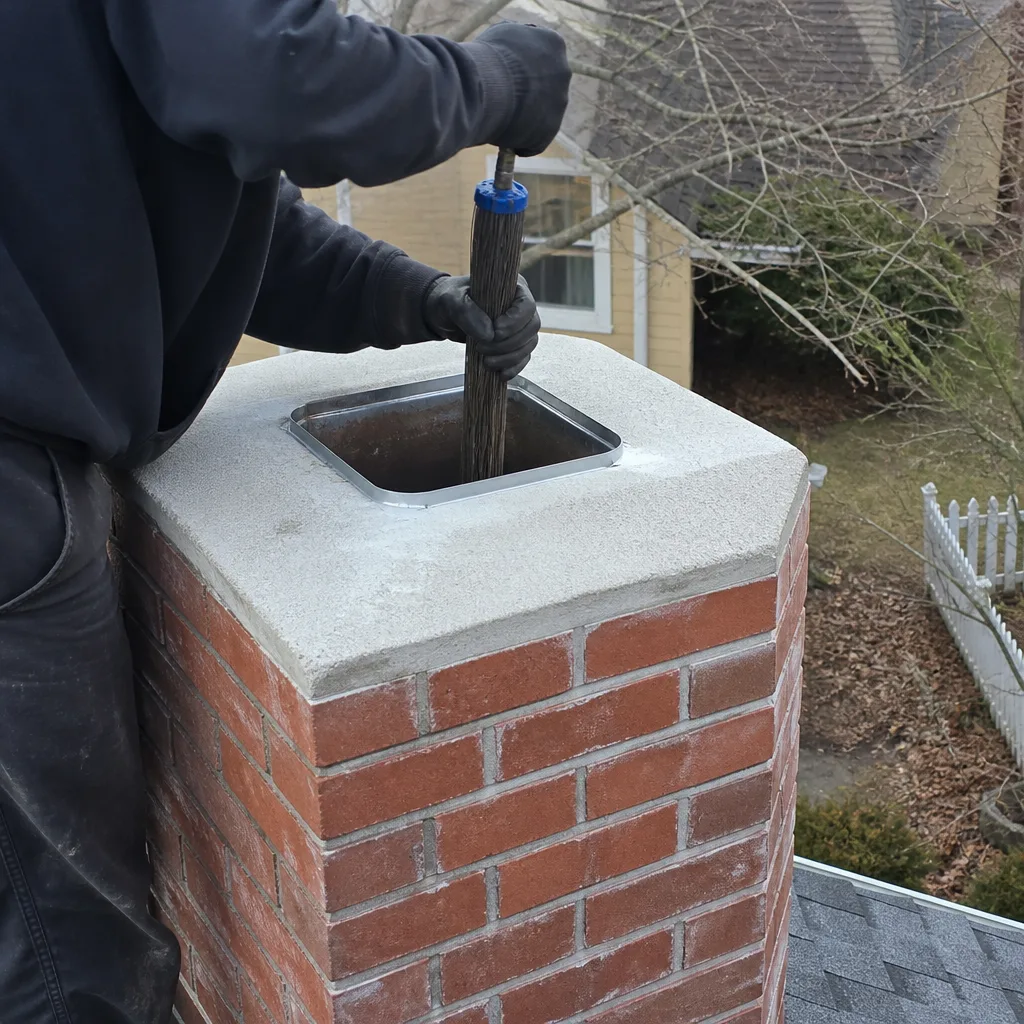 After
After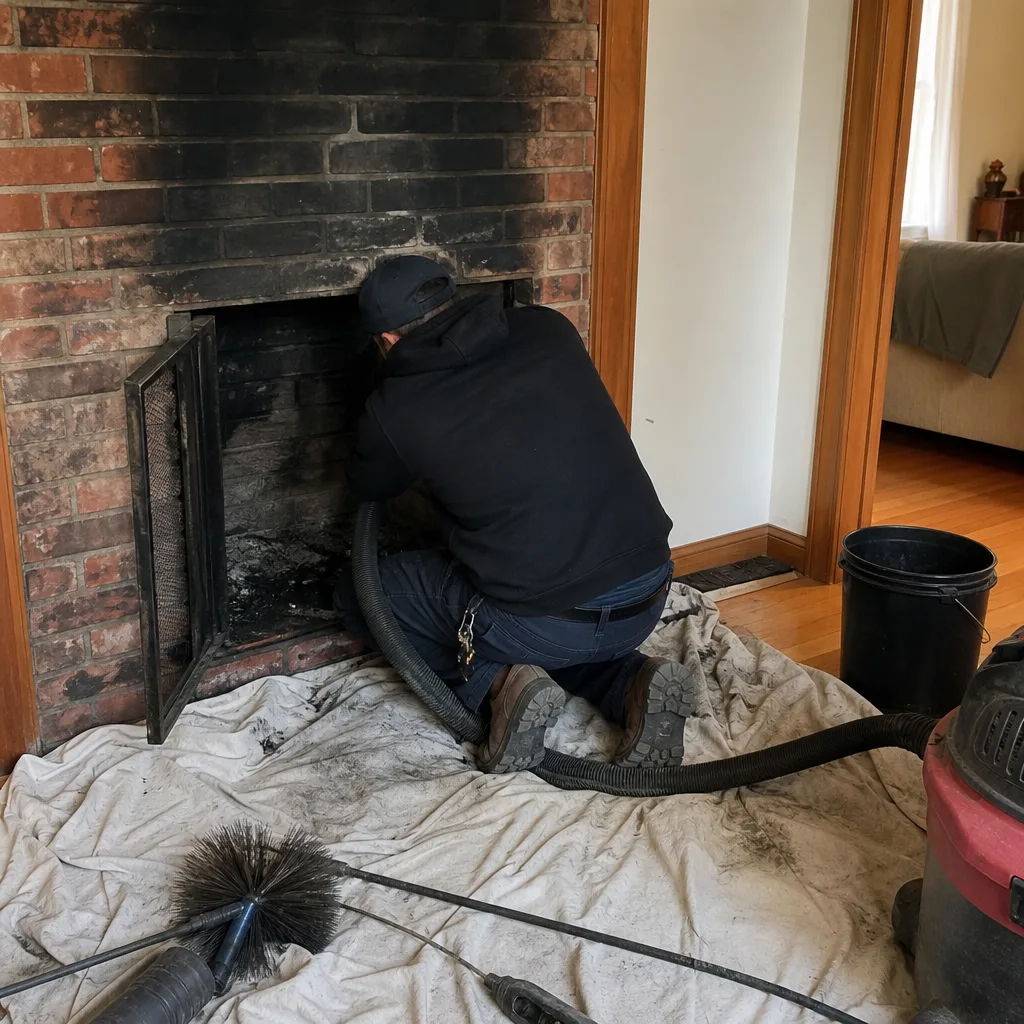 Before
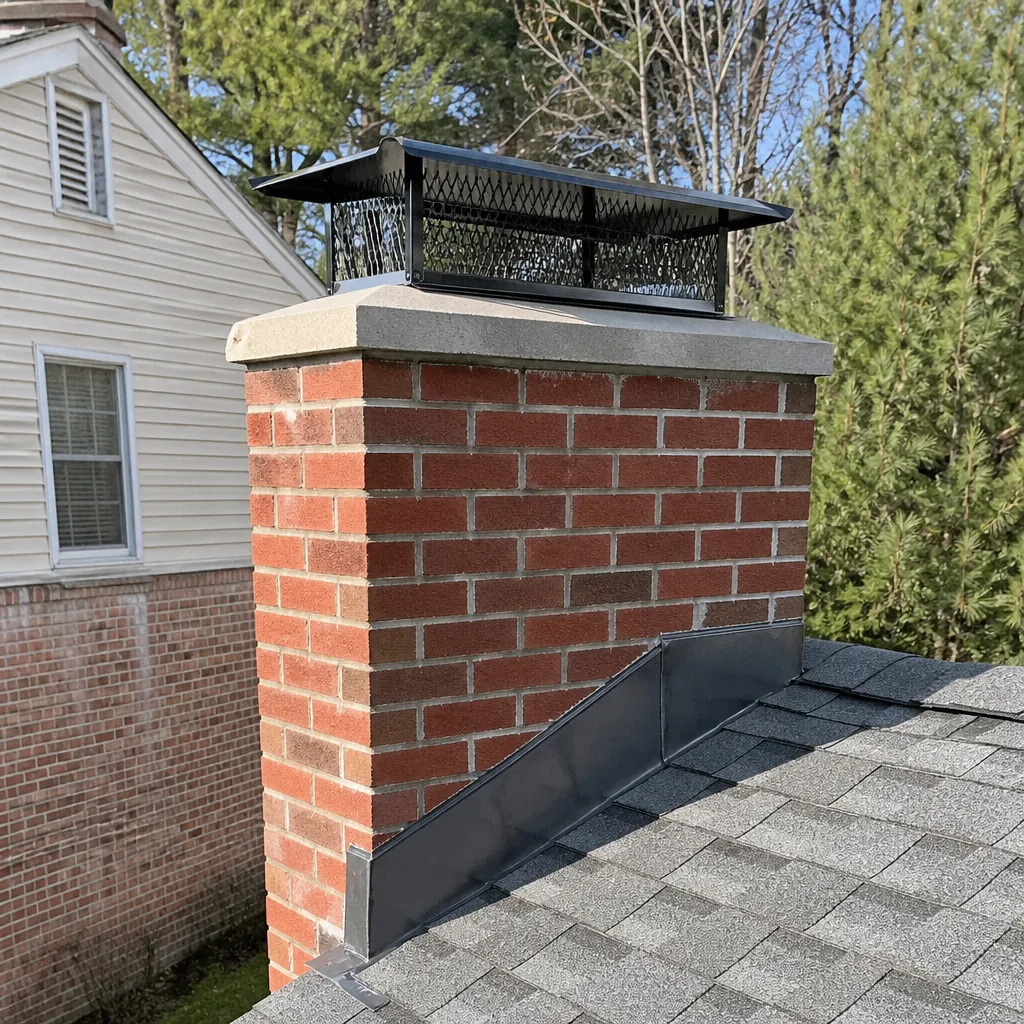 After
After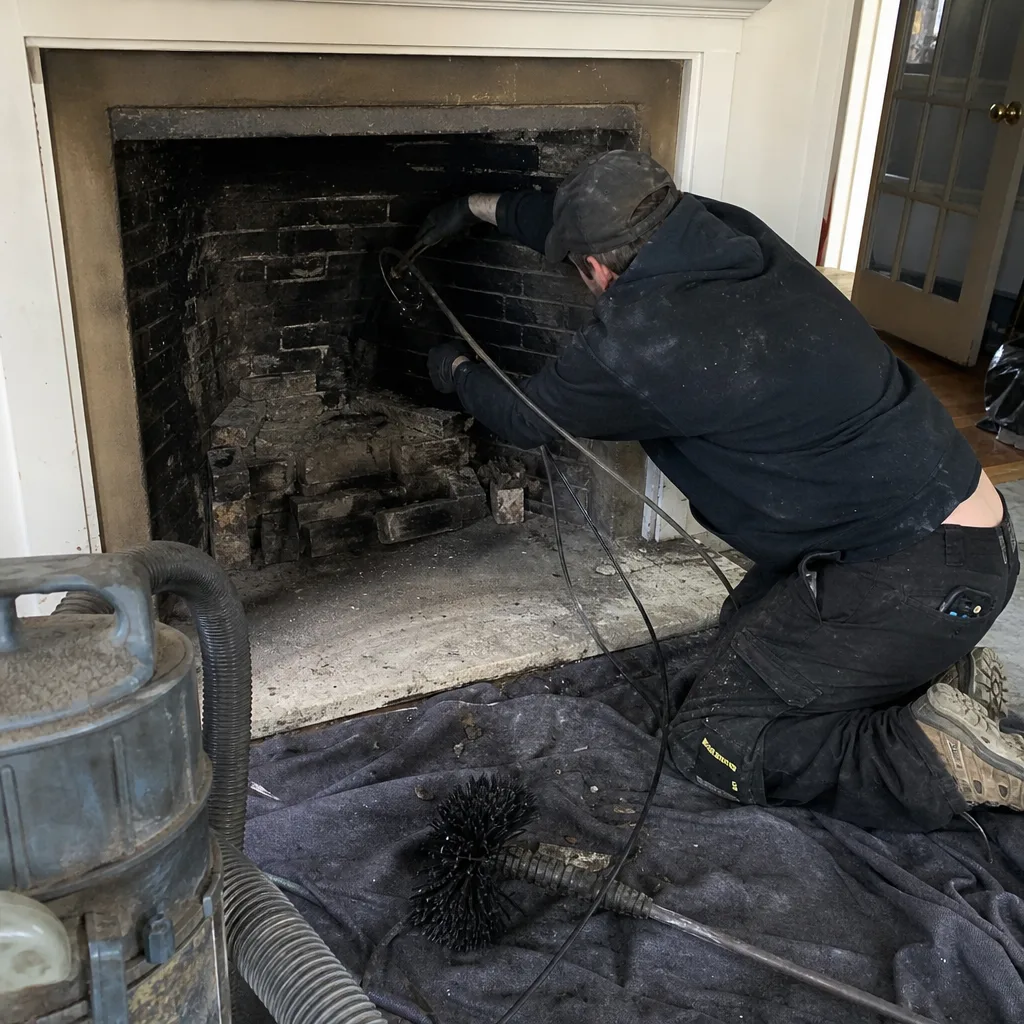 Before
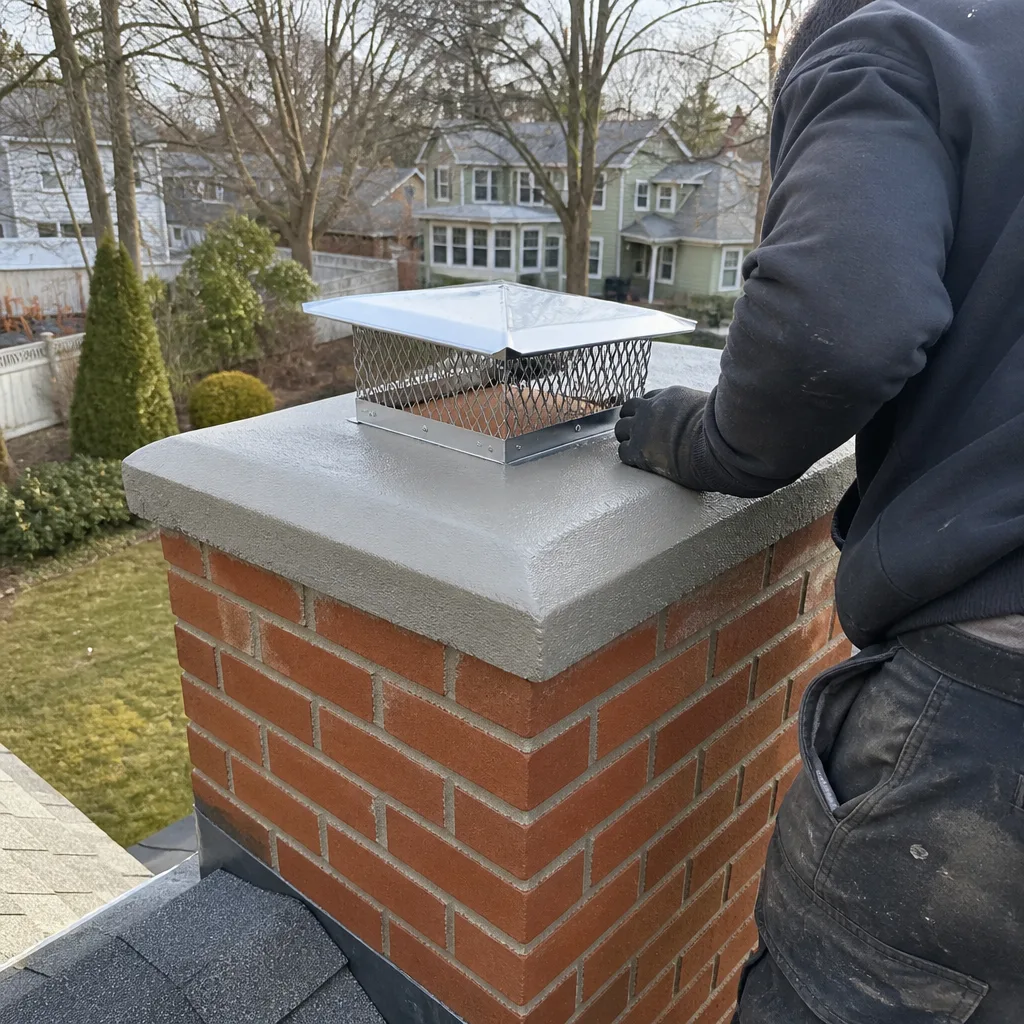 After
AfterSoot Removal in Waltham, MA
Soot removal in Waltham typically costs $149-$349 depending on the depth of buildup, flue size, and whether a camera inspection reveals secondary issues like smoke chamber deposits or a blocked damper. Most jobs are completed in a single visit, and every one includes a written price before we touch anything.
If your Waltham fireplace or wood stove has been running through New England winters – and especially if it went more than a season without Annual Sweep service – soot has been building up inside the flue liner, smoke chamber, and firebox. That buildup is not just cosmetic. Fine soot particles are mildly acidic, and given enough time and moisture, they start breaking down mortar joints and degrading the flue liner from the inside. At Level Two Chimney Waltham, we’ve been documenting exactly this pattern since 2009, across more than 38,000 chimney inspections and cleanings, and Waltham’s older neighborhoods – Piety Corner, Highlands, and the blocks near Prospect Hill – turn up a disproportionate share of the heavier cases. Older homes, older construction, and longer heating seasons add up.
Our Chimney Cleaning & Sweep in Waltham service covers the full flue system, and soot removal is the core of that work. If you want a written price before anyone starts, a photo record when the job is done, and a technician whose name you know before they arrive, call us at (781) 649-9326. A live person answers, any time of day.
When You Need Soot Removal
Some of these signs are obvious. Others are easy to miss until a camera goes down the flue. Here is what typically brings Waltham homeowners to the phone:
- Visible black or dark gray residue in the firebox: If you can see a thick coating on the firebox walls or smoke shelf after a fire, the buildup inside the flue is almost certainly worse. What’s visible at the opening is usually the lighter end of what’s collected higher up.
- A persistent smoky or acrid smell when the fireplace is not in use: Soot holds odor. In Waltham’s humid summers, that smell intensifies as moisture activates the deposits – a combination that becomes noticeably worse in homes closer to the Charles River corridor.
- Smoke backdrafting into the room during a fire: Partial blockages caused by accumulated soot and debris restrict airflow up the flue, pushing smoke back into the living space instead of venting it outside.
- You haven’t had the chimney cleaned in more than 12 months of active use: The National Fire Protection Association’s standard NFPA 211 recommends annual inspection and cleaning for any chimney in regular use. In Waltham, where heating season runs reliably from October through April, a year of use is enough to warrant a full soot and creosote check.
- You recently moved into a Waltham home and have no cleaning records: This is common in Waltham’s competitive resale market. A prior owner’s maintenance habits are unknown, and older homes – particularly those built before 1980 in areas like Lakeview or South Waltham – sometimes haven’t had documented chimney service in years.
- Dark staining on the exterior mortar or on the ceiling near the chimney: This can indicate that soot is escaping through cracks in the liner or mortar joints, which means the buildup has already progressed to the point of causing physical damage.
Our Soot Removal Process
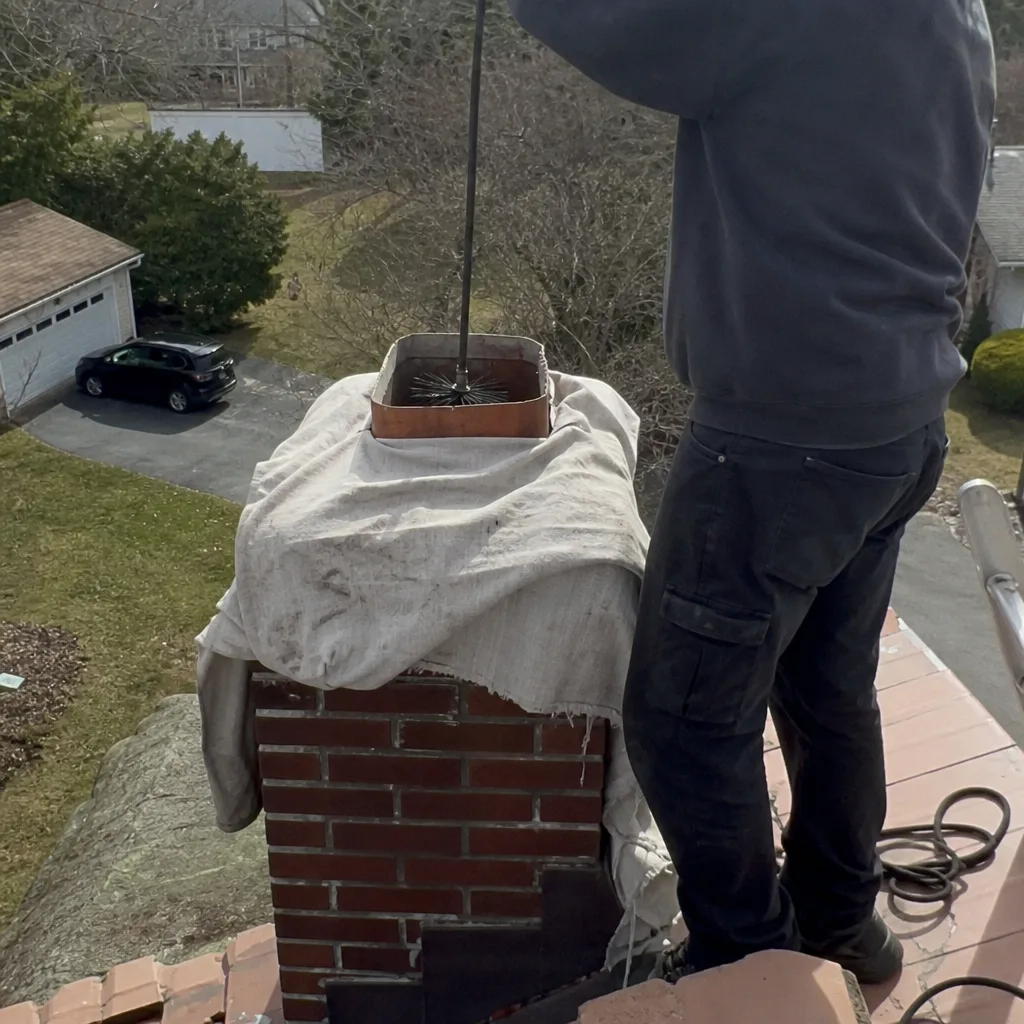
Here is exactly what happens when we arrive at a Waltham home for soot removal. No surprises, no add-ons discovered after the work starts.
- Written scope and price delivered before we begin: Under Haven Standard Clause 1 – the “Have it in writing” provision – you receive a written price, written scope, and written warranty before any work starts. That is not a formality. It is the entire premise of how we operate. If the camera inspection reveals something that changes the scope, we stop and show you the footage before we quote anything additional.
- NFPA 211 Level 2 camera inspection: Before brushes go in, a camera goes down. This gives us an accurate read on the type and depth of soot deposits, whether there is Class I or Class II creosote present alongside the soot, and the condition of the flue liner itself. Soot and creosote often appear together, and treating them the same way produces substandard results. The camera footage is part of your documented record.
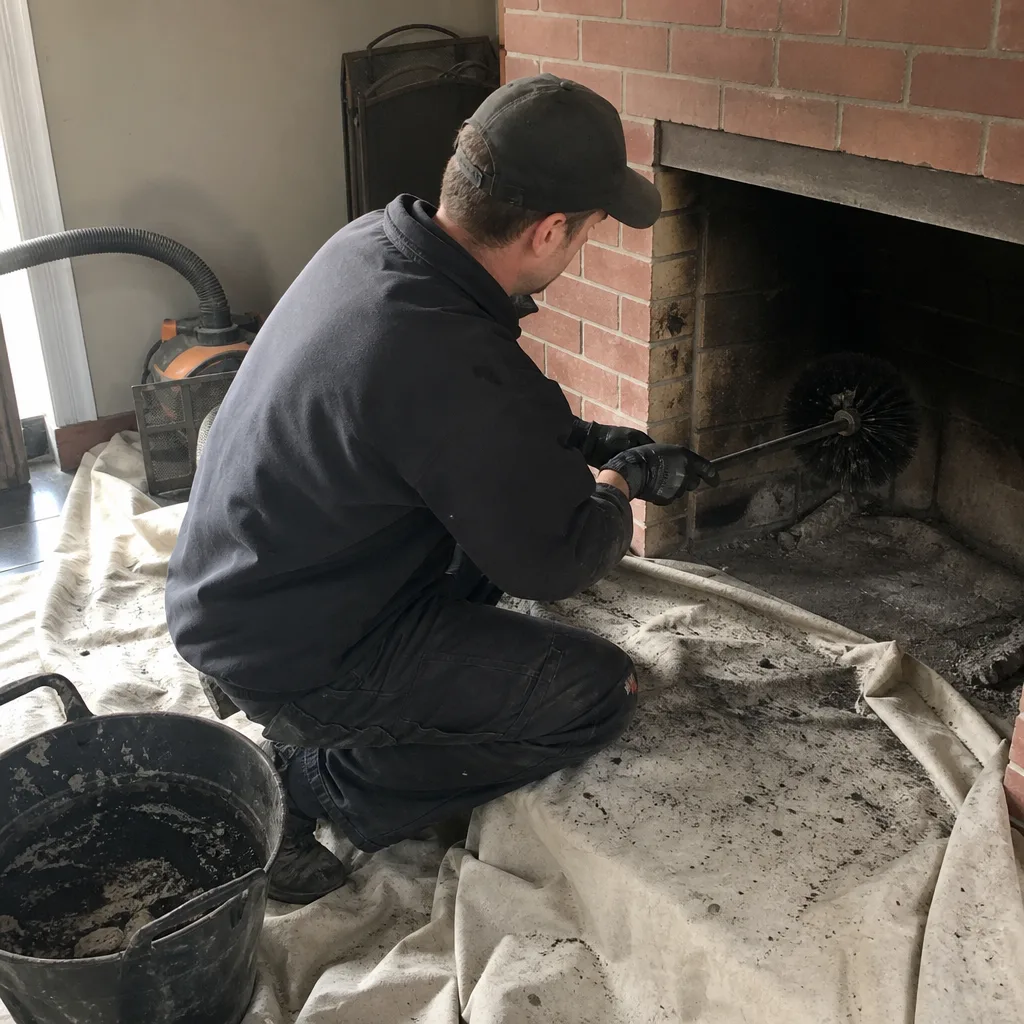
- Drop cloths and HEPA-filtered vacuum setup: We set up before we touch the fireplace. Drop cloths protect floors and furniture. A HEPA-filtered vacuum runs during brushing to capture airborne particles at the source rather than letting them settle through the room. In Waltham’s older homes, which often have original hardwood floors and historic plaster, this matters.
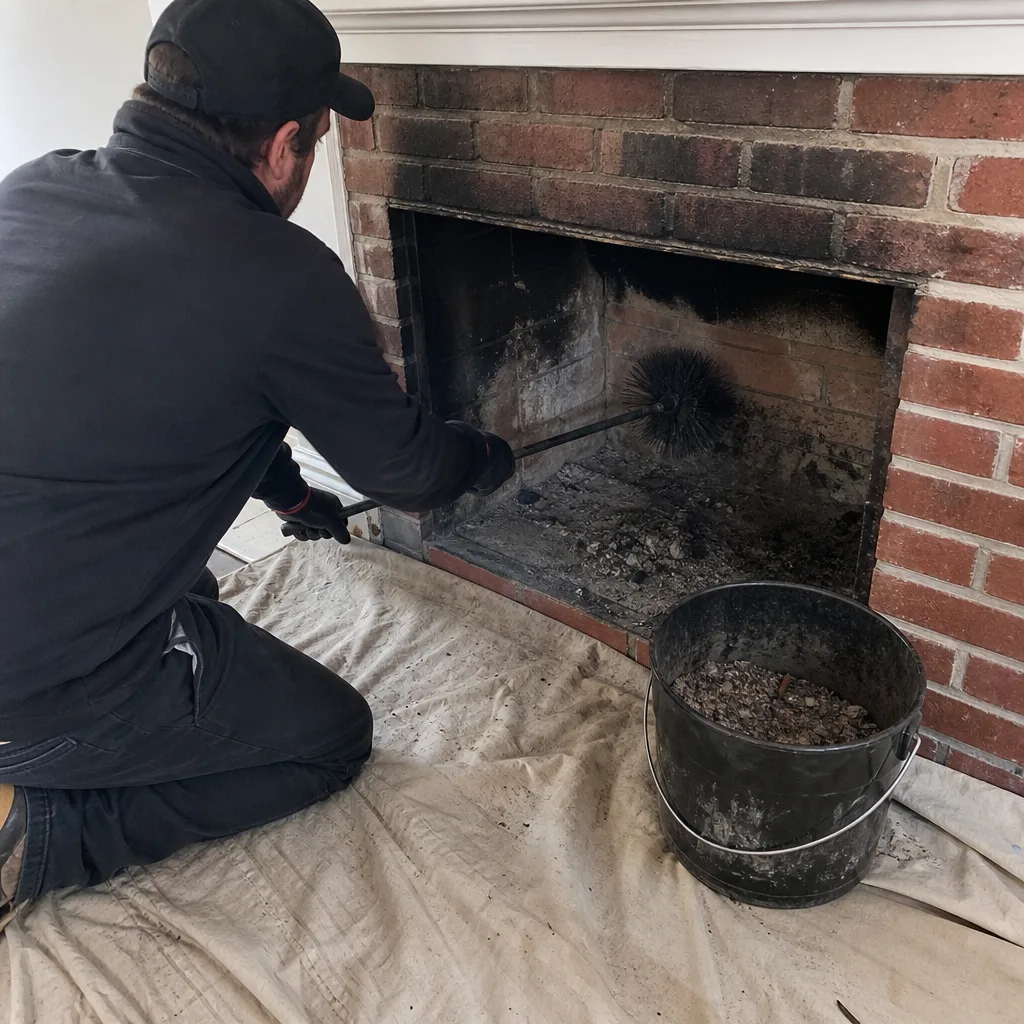
- Top-down brush cleaning of the flue liner: Working from the roof down, the technician uses rotary brushes sized to your specific flue to dislodge and sweep soot deposits toward the firebox. The brushes we use are sourced through our supplier network – including Copperfield equipment – chosen for specific flue geometries rather than a one-size approach.
- Smoke chamber and firebox cleaning: The smoke chamber sits directly above the damper and collects a significant share of soot and condensed deposits. It gets its own attention, not a brush-by. The firebox – the area you see – is cleaned and inspected for cracked firebricks or deteriorated refractory panels before we pack up.
- Documented photo record and written findings: When the job is done, you receive a photo record of the cleaned flue and any conditions we noted – including liner integrity, damper condition, and smoke shelf. This is Clause 4 of the Haven Standard, and it has been standard practice at Level Two since 2009. The photos are yours to keep, share with an insurer, or reference at the next inspection.
 Before
 After
AfterSoot Removal Pricing in Waltham
Soot removal in Waltham runs $149-$349 for most single-flue fireplaces and wood stoves. That range covers the majority of jobs we see in Waltham. Here is what moves the number up or down:
| Scenario | Typical Price Range |
|---|---|
| Standard soot removal, single flue, moderate buildup | $149-$199 |
| Heavy soot with smoke chamber deposits, single flue | $199-$275 |
| Soot removal plus Class I or II creosote present | $249-$349 |
| Multi-flue system (e.g., two fireplaces sharing a chimney stack) | Priced per flue – call for written quote |
| Oil-heating appliance flue soot removal | $175-$299 depending on liner condition |
A few things affect where your job lands in that range. Heavy use over multiple seasons without cleaning produces denser, more time-consuming deposits. Older Waltham homes with non-standard flue sizes – particularly pre-1960 construction with oversized clay tile liners – require different brush sizing and more setup time. If a camera scan finds that soot has already begun to degrade the mortar or liner, that is a separate repair conversation and a separate written quote.
We do not add fees after the technician is in your home. The written price you receive before work starts is the price you pay. If you have a written estimate from another company, bring it to us – we offer a free second opinion on any written quote.
Call (781) 649-9326 for a written estimate. No calculation required from you; we quote after the camera tells us what’s actually there.
What Soot Does to a Chimney Over Time
It helps to understand what soot actually is before deciding whether to address it now or later. Soot is the byproduct of incomplete combustion – carbon particles, unburned hydrocarbons, and trace acids that condense on cooler flue surfaces as exhaust gases rise. In a Waltham home burning wood through a typical November-to-April heating season, a single fireplace can accumulate a meaningful soot layer inside the flue by mid-winter.
Left alone, soot creates two compounding problems. First, the mild sulfuric and carbonic acids in soot react with moisture – and New England winters deliver moisture in quantity – to slowly deteriorate mortar joints and clay liner tile. We’ve opened chimneys in Waltham where consistent soot buildup over five or more years had softened the mortar to the point where tile sections were shifting. That is a liner repair or replacement conversation, not a cleaning conversation, and liner work runs considerably more than a cleaning visit.
Second, soot is a precursor to creosote. As deposits accumulate and pyrolyze through repeated heat cycles, light soot can transition into Class I creosote (flaky, easily brushed) and eventually Class II (tar-like, more difficult) or Class III (hardened, glazed, not removable by brushing alone). Class III creosote – sometimes called glazed creosote – requires chemical treatment before mechanical removal is even possible. Catching buildup at the soot stage is simply cheaper and faster than addressing it at the creosote stage.
The camera-down inspection we perform on every visit is specifically designed to catch this progression early. A flashlight look at the firebox opening does not show the upper flue, the smoke chamber, or the condition of liner tile joints above the first few feet. Our NFPA 211 Level 2 standard requires camera documentation of the full flue length, and that practice has been in place at Level Two since 2009 – not because a regulator required it, but because guessing at flue conditions produces bad outcomes for the customer.
Soot Removal and Waltham’s Housing Stock
Waltham’s residential neighborhoods contain a wide range of chimney ages and configurations. The older triple-deckers and single-family homes in areas like Myrtle Street Hill and the blocks around Hardy Pond Road often have clay tile-lined flues that date to the mid-twentieth century or earlier. These liners develop hairline cracks over decades of thermal cycling, and soot that accumulates in those cracks is both harder to remove and more likely to contribute to further deterioration.
Newer construction and post-2000 renovations in Waltham more commonly feature stainless steel liner inserts – often DuraFlex flexible liner systems – which are more tolerant of thermal stress but still accumulate soot at the same rate. The removal process for a stainless liner is mechanically similar, though the brush sizing is different.
Oil-heating appliances – still present in a meaningful share of Waltham homes that haven’t converted to gas – produce a specific soot profile. Oil combustion deposits tend to be finer and more adherent than wood soot, and the flue sizing for an oil boiler is typically smaller than a wood-burning fireplace flue. If your Waltham home has a dedicated oil appliance flue, that requires its own inspection and cleaning separate from any wood-burning fireplace you may also have.
All of this feeds into why a written scope matters before work begins. Two Waltham homes on the same block can have meaningfully different cleaning needs based on chimney age, liner material, fuel type, and use frequency. We document what we find and price accordingly – not with a flat fee applied to every job regardless of condition.
FAQs – Soot Removal in Waltham
How much does soot removal cost in Waltham, MA?
Soot removal in Waltham costs $149-$349 for most single-flue systems, with the exact price depending on the depth of buildup, flue size, and whether creosote is also present alongside the soot. Every job is quoted in writing before work begins – not estimated verbally and corrected afterward. Call (781) 649-9326 for a written quote based on a camera inspection of your specific flue.
Is soot removal the same thing as a chimney sweep?
Soot removal is the primary task in a standard chimney sweep, but a full chimney cleaning also addresses the smoke chamber, firebox, damper area, and any creosote deposits present alongside soot. The two terms are often used interchangeably by homeowners, and that’s fine – when we arrive, we clean the full system. Our Chimney Cleaning & Sweep in Waltham page describes the complete scope of what a cleaning visit covers. Call (781) 649-9326 if you want to talk through what’s included before booking.
How often should I have soot removed from my Waltham chimney?
NFPA 211 recommends annual inspection and cleaning for any chimney in regular use. In Waltham, where a typical heating season runs October through April, annual cleaning covers most fireplaces and wood stoves. Oil appliance flues often benefit from cleaning before each heating season rather than after, because late-season soot sitting in the flue over summer holds moisture and accelerates liner degradation. If you burn more than three cords of wood per season, twice-yearly cleaning is worth considering. We’ll tell you what the camera shows and let you decide from there.
Can I remove soot myself, or does it require a professional?
The firebox and immediately visible surfaces can be wiped down by a homeowner without significant risk, using appropriate respiratory protection and drop cloths. The flue liner, smoke chamber, and upper chimney sections are a different matter. Working inside the flue requires rotary brush equipment, HEPA vacuum containment, and a camera inspection to assess what’s actually present before brushing – because soot and creosote require different approaches, and misidentifying the deposit type leads to incomplete cleaning or, in the case of Class III creosote, making the situation worse by spreading glazed deposits. For anything above the damper, a trained technician with the right equipment is the practical choice. Call (781) 649-9326 and we’ll tell you what we see before we quote anything.
Will soot removal make my fireplace smell better?
Yes, in most cases. Soot holds volatile compounds that off-gas as odors, especially in warm or humid conditions. Waltham summers can be notably humid, and homeowners near the Charles River or Beaver Brook Reservation sometimes notice that fireplace odors worsen considerably between June and August even with no fires burning. A full soot removal eliminates most of the odor source. If the smell persists after cleaning, the next step is checking the damper seal and considering a top-mounted damper, which we can quote in writing at the same visit.
The Level Two Standard on Every Soot Removal Job
What you get from Level Two Chimney Waltham on a Chimney Cleaning & Sweep services visit is not a sweep truck showing up with a brush and an invoice. It is a written price before anyone starts, a camera inspection that documents the actual condition of your flue, a named and background-checked technician who sends a text when they’re on the way, a photo record of the completed work, and a 365-Day Done Right Promise that covers the job after we leave.
That last point matters. If something about the cleaning does not hold up – if soot we cleared shows signs that we missed a section, if the smoke chamber was not addressed as scoped – we come back and make it right. No argument, no additional charge, no loop of phone menus. That is the 365-Day Done Right Promise, and it is on every job we do in Waltham.
We’ve completed more than 38,000 chimney inspections and cleanings since 2009. Every one of them had a written price before work started and a photo record when it was done. If you want to verify what that looks like before booking, ask us to walk you through a sample report when you call. We’ll send one over.
If you have a written estimate from another company and want a second opinion, bring it. Our free second opinion offer applies to any written estimate, and we’ll tell you plainly what we agree with and what we’d do differently.
To schedule soot removal at your Waltham home or to get a written estimate, call (781) 649-9326. A live person answers around the clock. No voicemail, no web form required. If you’d rather learn more about the full scope of what we do in Waltham first, visit our home page for an overview of every service we offer.
Written by Corrine Halstead, Owner at Level Two Chimney Waltham, serving Waltham.