
Last updated September 22, 2026
Level 1 sweep and inspection to the NFPA 211 annual standard - flue, crown, cap, and flashing checked and photographed
Chimney sweep logs do not sweep chimneys. They loosen some creosote - which then falls where a brush and vacuum still have to collect it.
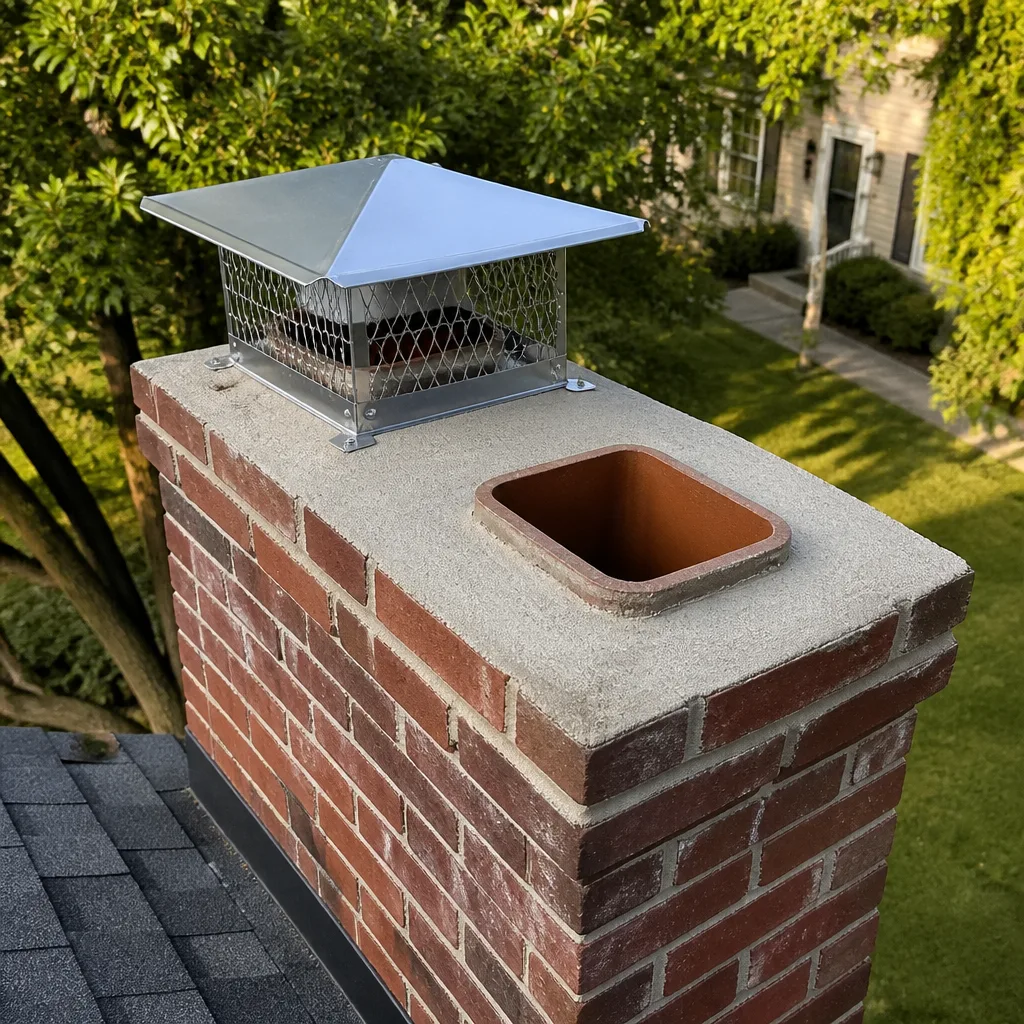
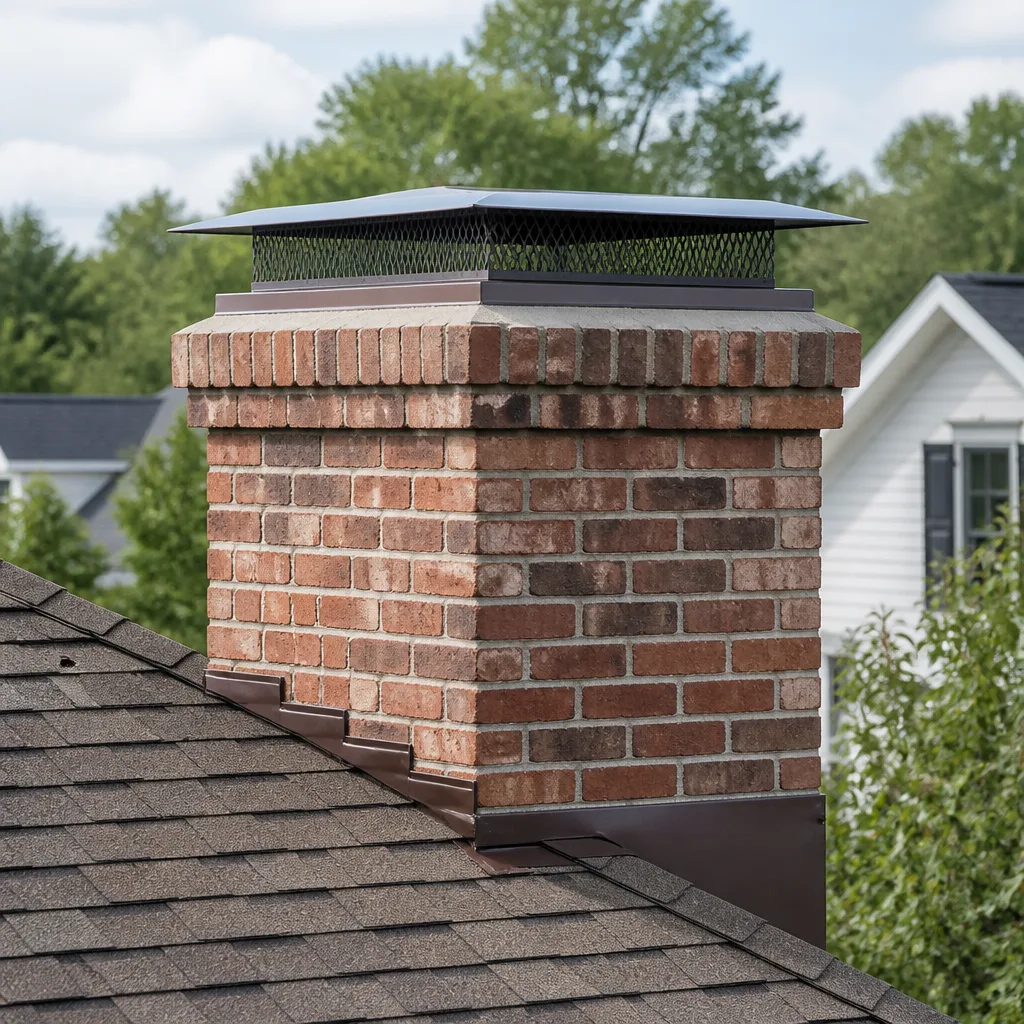
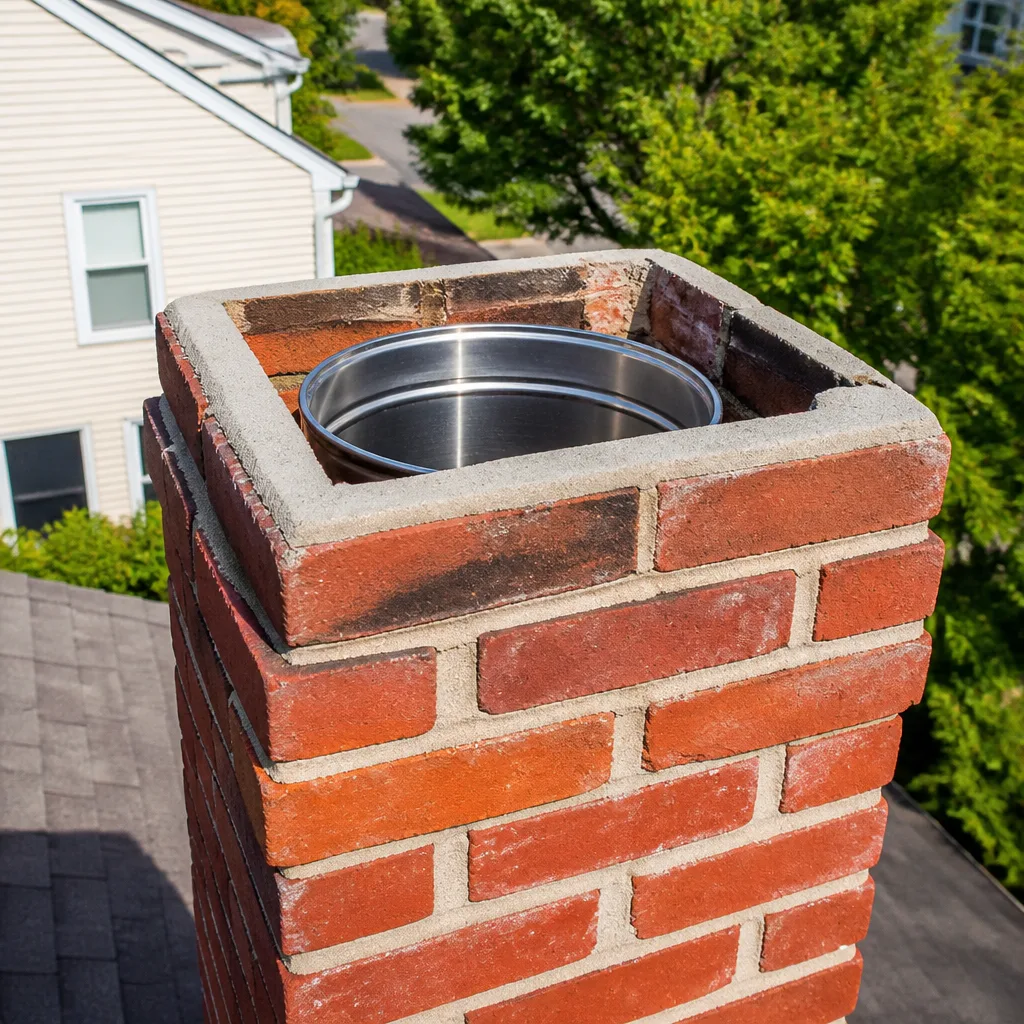
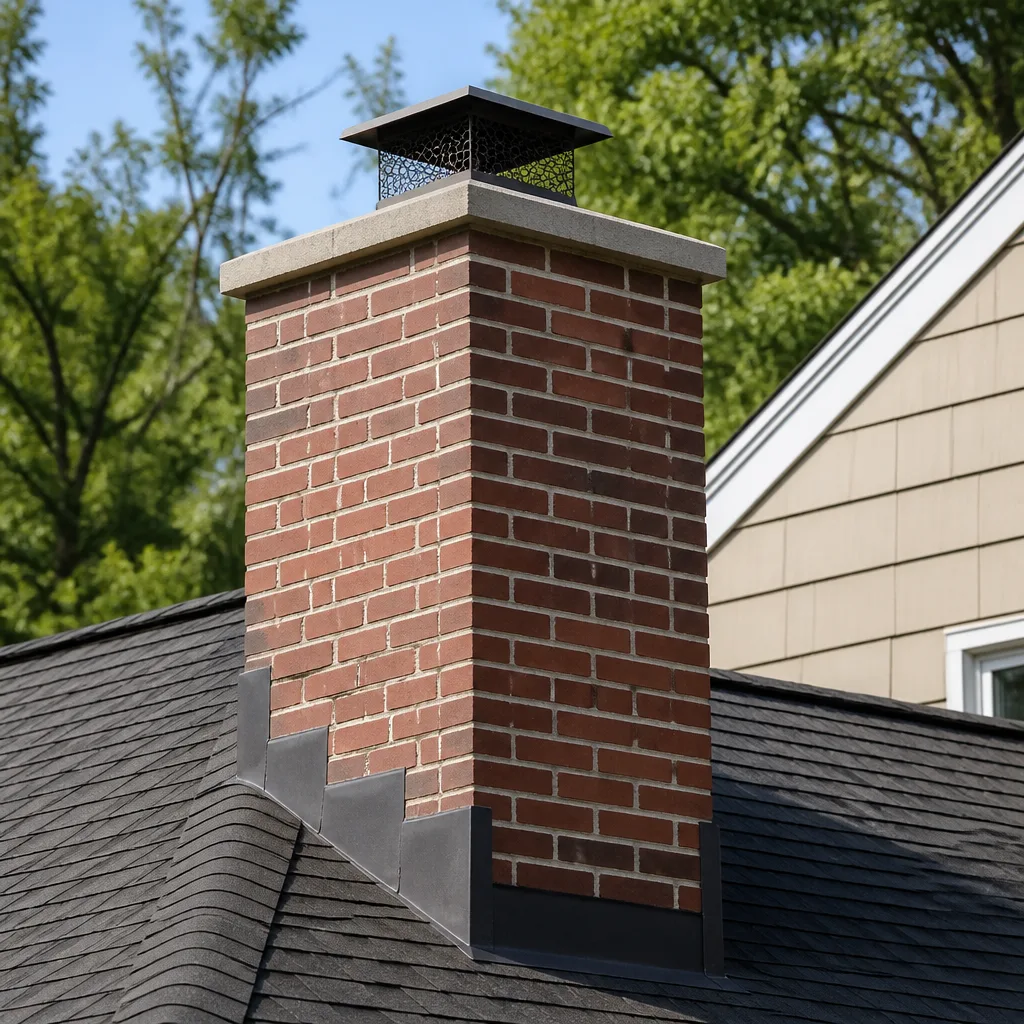
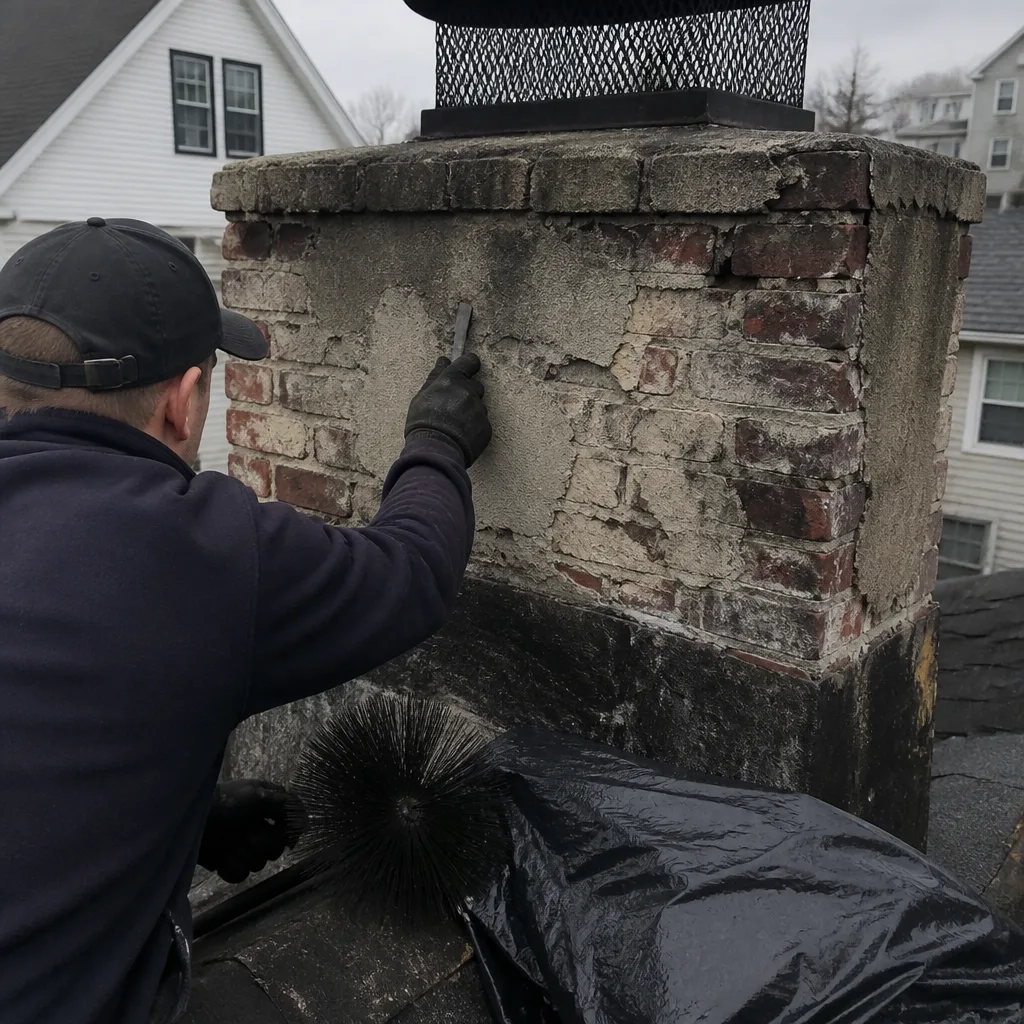 Before
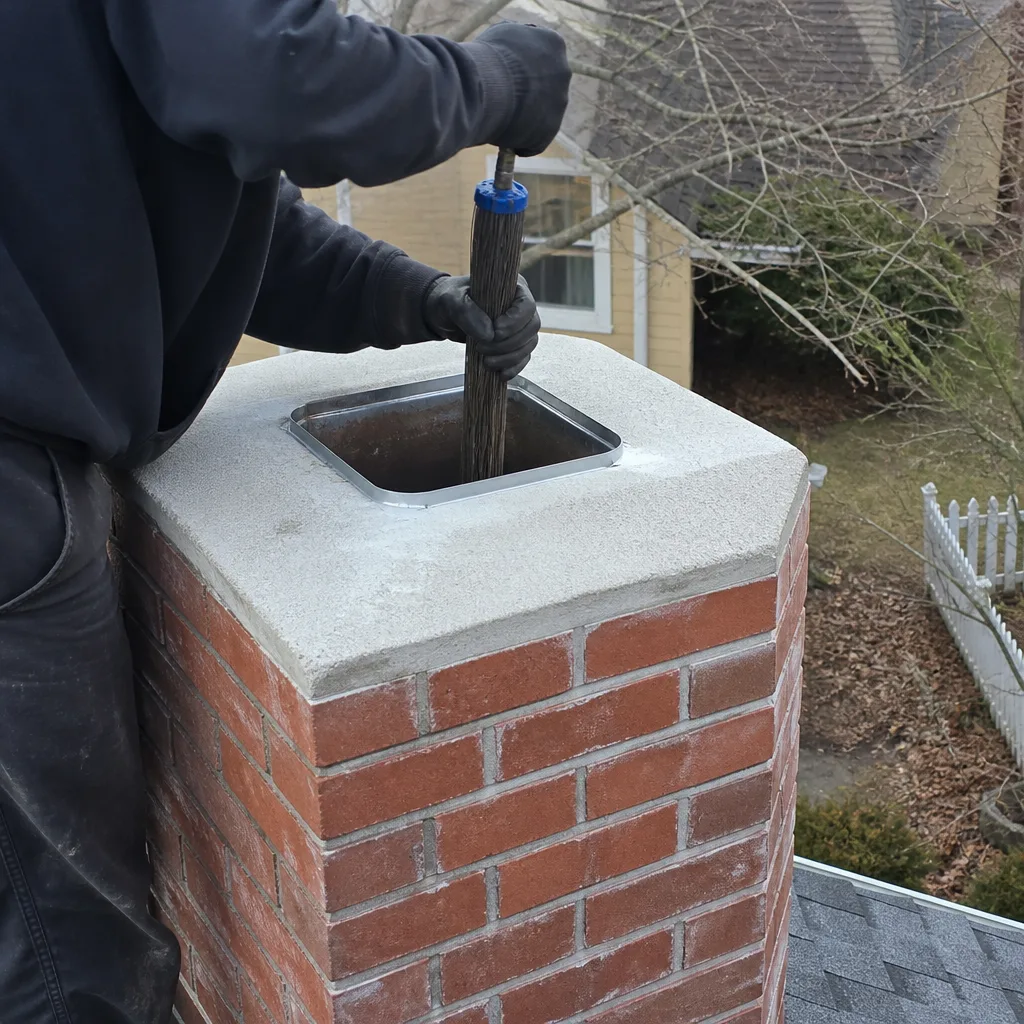 After
After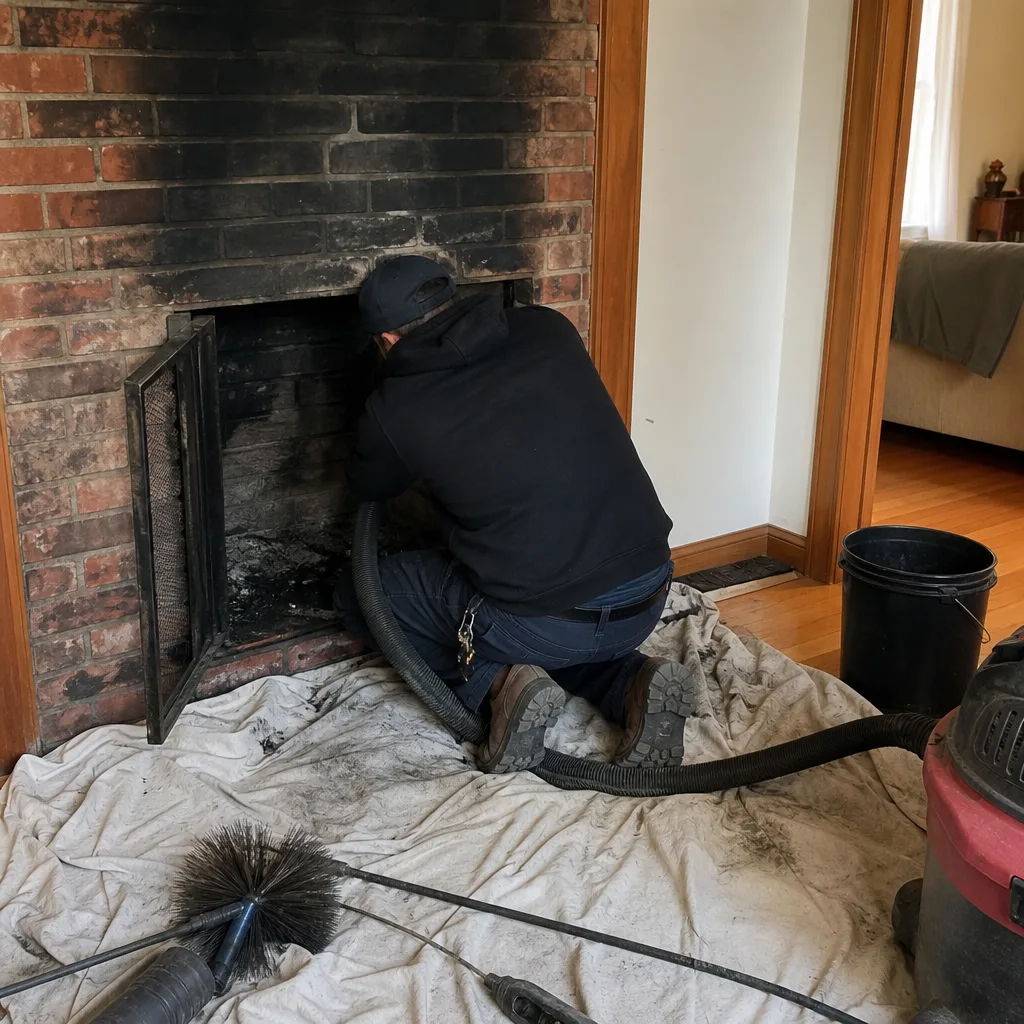 Before
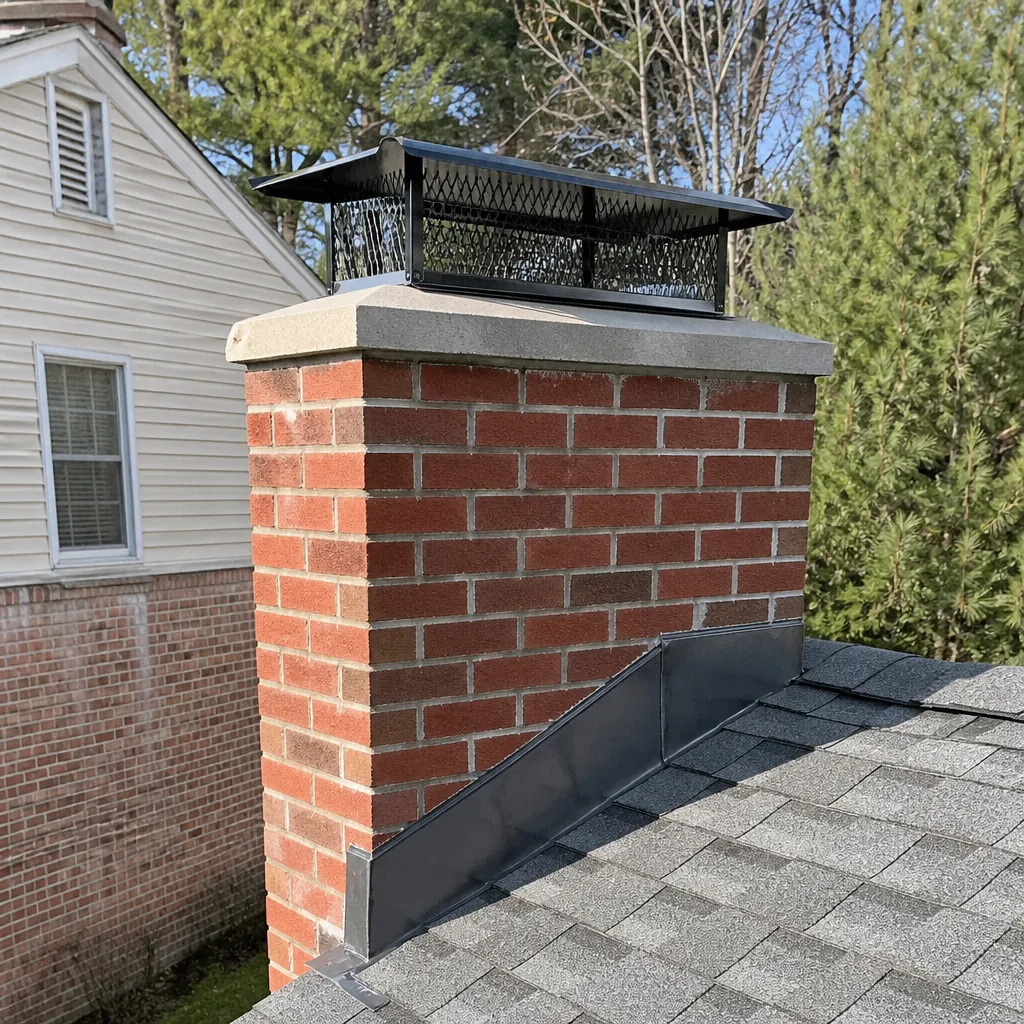 After
After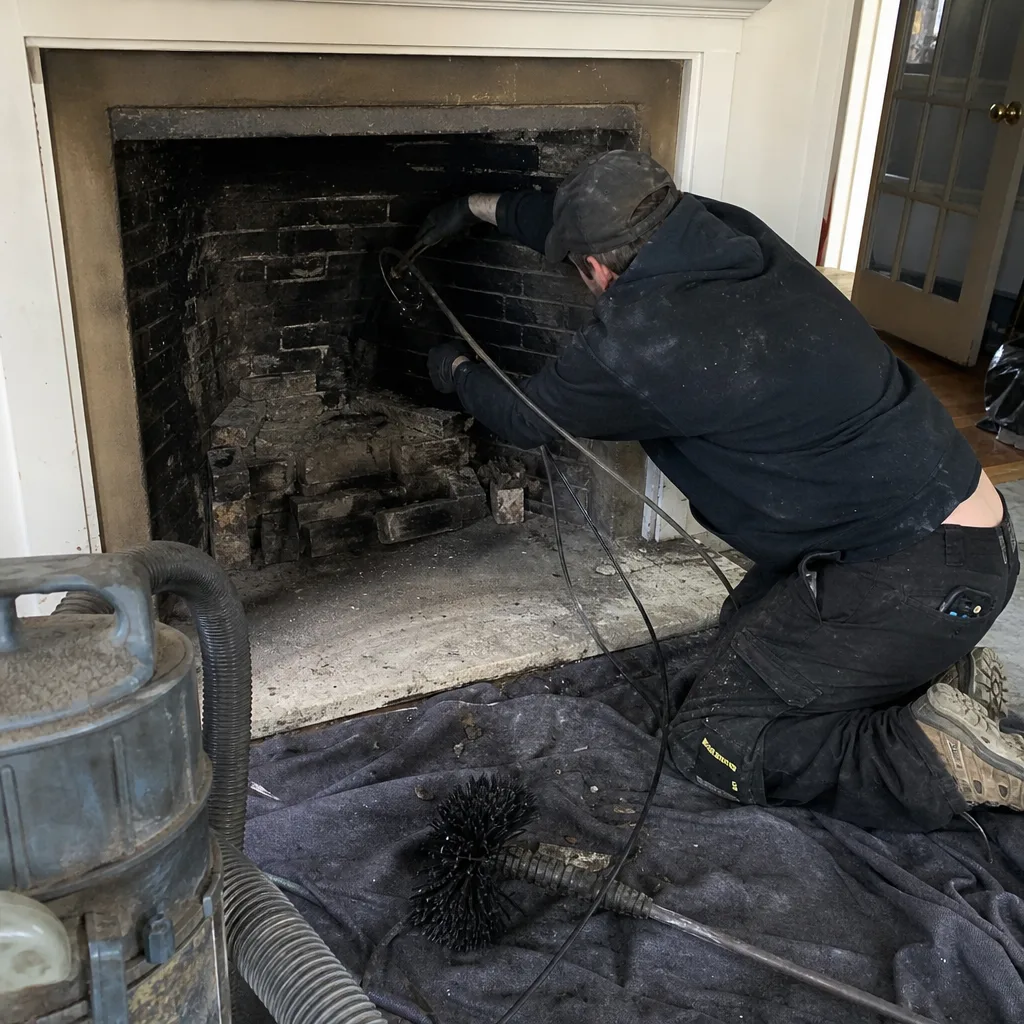 Before
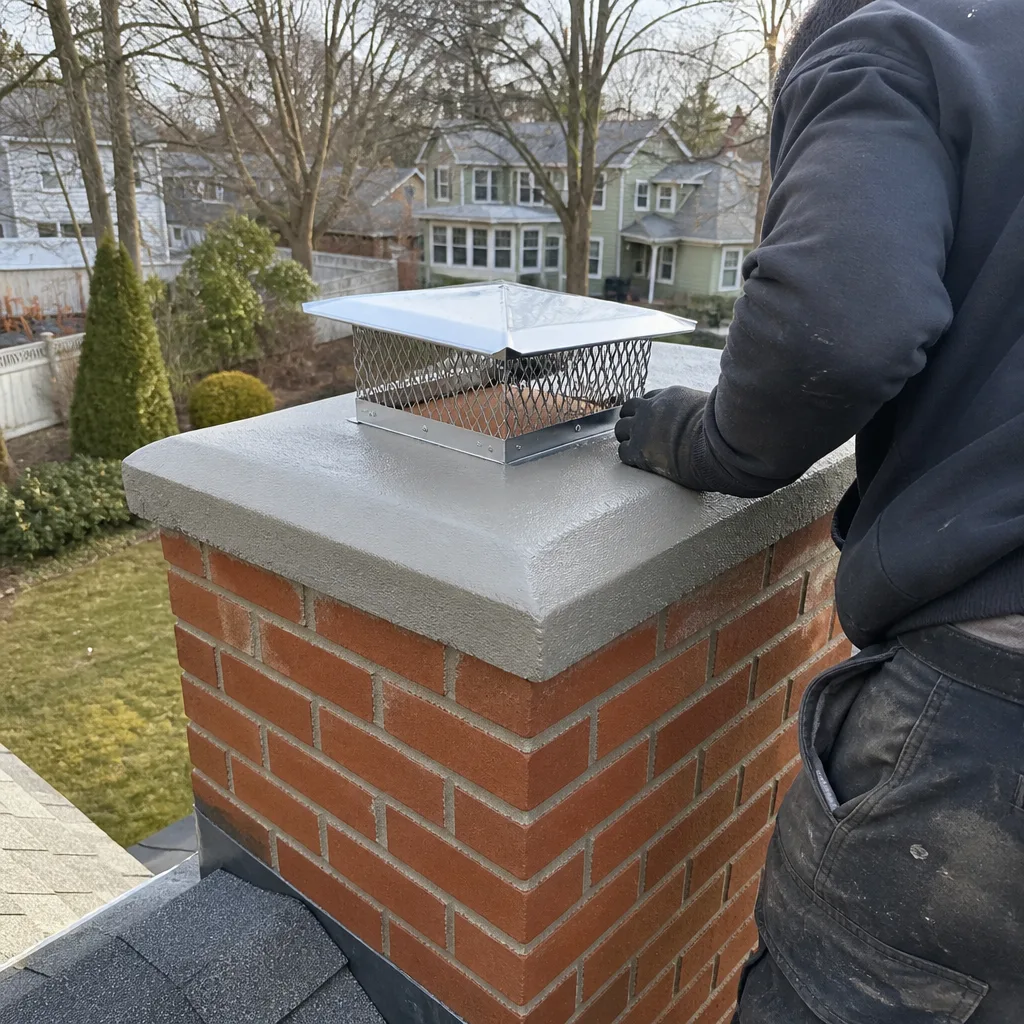 After
AfterThe Complete Guide to Chimney Cleaning in Waltham
A CSIA survey found that 87% of homeowners who had a chimney “cleaned” in the past year couldn’t say whether a camera was used. That means most people in Waltham paid for a service they have no way to verify was performed. This guide separates chimney cleaning from chimney inspection, shows what each actually costs in the Waltham market, and explains what a completed service record should look like so you know what you’re paying for. For more guides & resources on maintaining your chimney system, visit our blog.
Quick Answer
Chimney cleaning in Waltham typically costs $199-$349 for a standard sweep with NFPA 211 Level 2 camera inspection included. A basic sweep without documentation runs $129-$189 but leaves you without proof the work was done or whether your flue liner is intact. Every completed service should produce timestamped photos, written findings, and an itemized price agreed to before any work begins.
Table of Contents
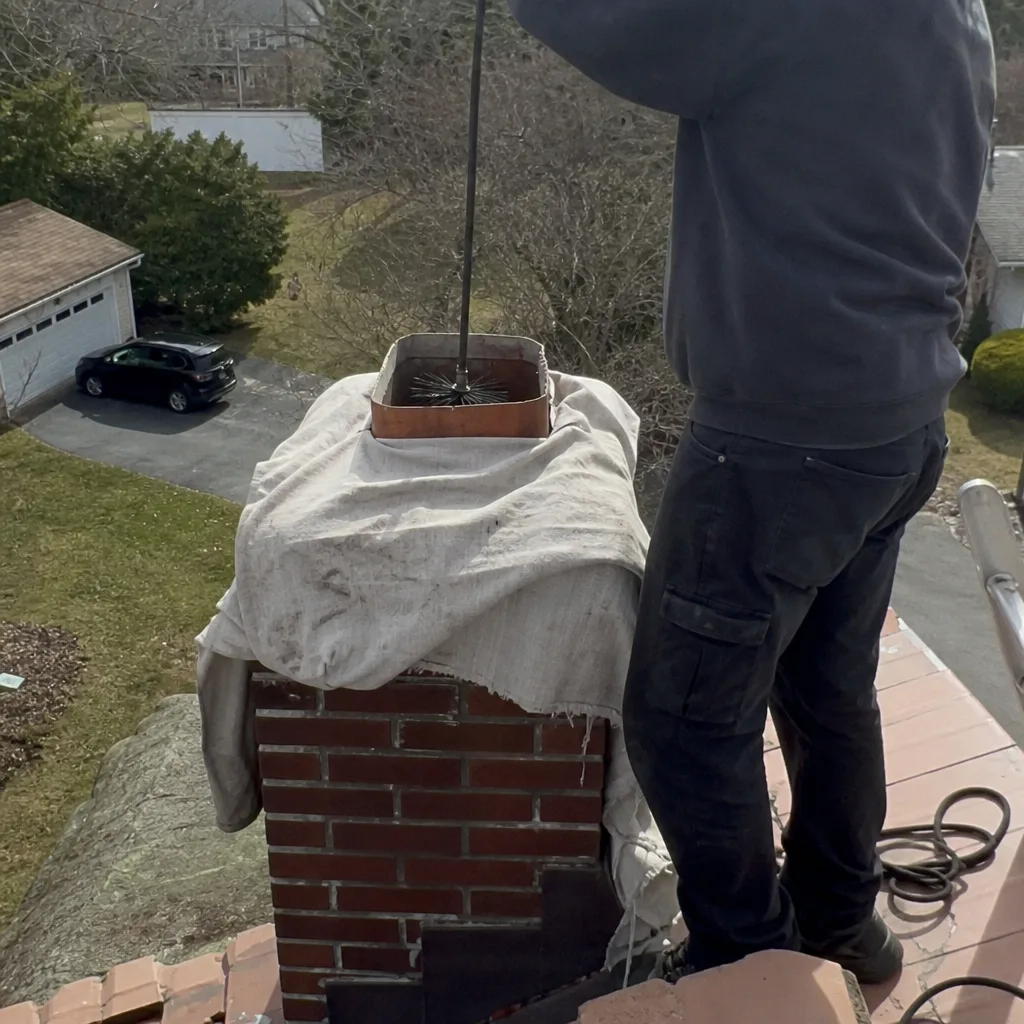
- Chimney Cleaning vs. Chimney Inspection: Two Different Services
- What Chimney Cleaning Costs in Waltham
- The Three Stages of Creosote and What Each Costs to Remove
- What a Completed Service Record Should Look Like
- Waltham’s Chimney Risk Calendar: When Fires Actually Happen
- The Two Questions That Separate a Real Sweep From a Flashlight Look
- Why Waltham’s Older Housing Stock Makes Camera Documentation Essential
- Common Mistakes to Avoid
- When to Call a Professional
- Frequently Asked Questions
- The Bottom Line
 Before
 After
AfterChimney Cleaning vs. Chimney Inspection: Two Different Services
Most Waltham homeowners use the words interchangeably. They’re not the same thing, and the distinction matters for your safety, your insurance claim, and your wallet.
Chimney cleaning (or sweeping) is the physical removal of combustible deposits from the flue, smoke chamber, and firebox. The technician runs brushes, rods, and vacuums to clear soot, creosote, and debris. That’s it. No camera, no written findings, no assessment of whether your liner is cracked or your crown is spalling.
Chimney inspection evaluates the system’s condition. NFPA 211 recognizes three levels:
- Level 1: Visual examination of readily accessible portions. What you get with most “$99 sweep specials.”
- Level 2: Camera scan of the entire flue interior, inspection of attics and crawl spaces if accessible, and written documentation. Required at property transfer, after chimney fire or lightning strike, or when changing appliance type.
- Level 3: Demolition inspection when serious hazard is suspected. Rare in residential work.
Here’s where Waltham’s market gets murky. Many companies advertise “chimney cleaning and inspection” but deliver a Level 1 visual check with a flashlight. The customer thinks they got a full inspection. They didn’t. If you’re weighing whether to tackle maintenance yourself or call a pro, see our DIY vs Professional Chimney Cleaning: The Waltham Homeowner’s Decision Guide.
At Level Two Chimney Waltham, we made camera-scan documentation the default in 2009. That’s Clause 4 of the Haven Standard. Every visit includes a Level 2 inspection because a sweep without documentation is just a receipt for a brush you never saw go up your flue.
The practical difference: if you have a chimney fire and file an insurance claim, your carrier will ask for inspection documentation. A handwritten receipt dated last October won’t suffice. Timestamped photos of your flue liner condition, with measurements and written findings, might be the difference between coverage and denial.
What Chimney Cleaning Costs in Waltham
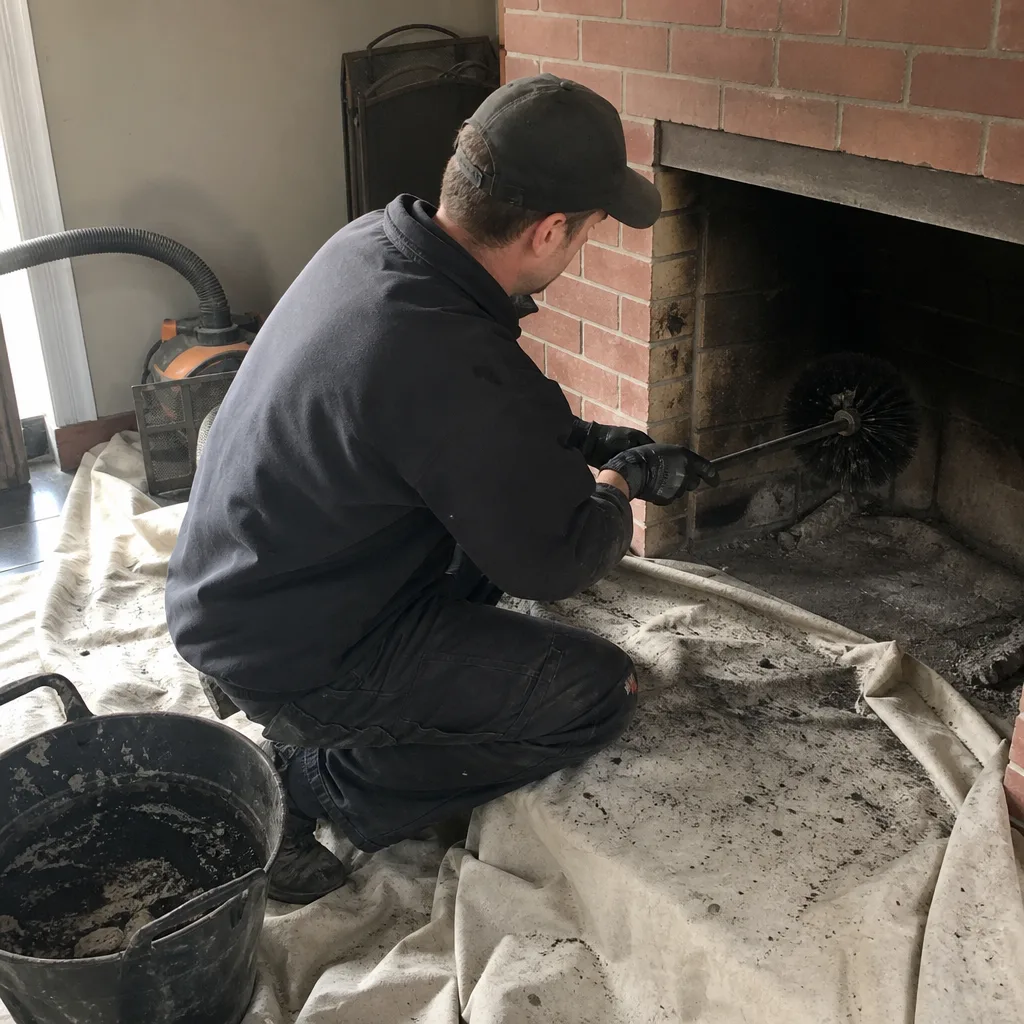
Prices in the Waltham market cluster into three tiers. We’ve tracked these ranges across Middlesex County for the past five years.
| Service Tier | What’s Included | Price Range |
|---|---|---|
| Basic sweep | Brush and vacuum, no camera, no written findings | $129-$189 |
| Sweep with Level 2 inspection | Full cleaning plus camera scan, photo report, written findings | $199-$349 |
| Heavy creosote removal (Stage 3) | Chemical treatment or mechanical removal, multiple visits possible | $450-$850 |
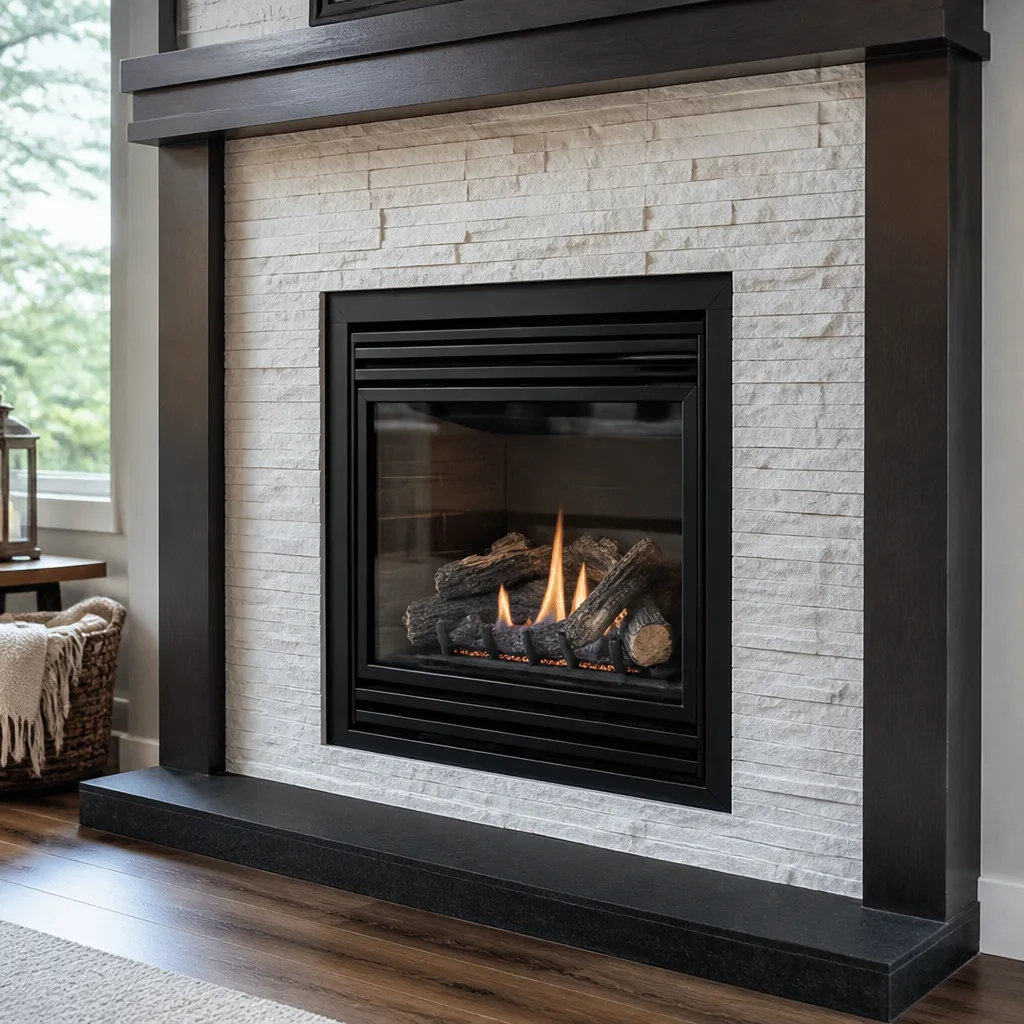
Gas fireplace cleaning runs lower, typically $149-$229 in Waltham, because the deposits are different and the flue is usually straighter. But gas systems have their own risks: deteriorated connector pipes, blocked termination caps, and carbon monoxide pathways that a flashlight won’t reveal.
What drives price variation? Three factors specific to this market:
- Access difficulty. Homes on Waltham’s hills, particularly north of Main Street toward the Charles River, often have steep roofs that require additional safety setup.
- Appliance type. Wood-burning inserts with stainless steel liners take longer to clean properly than open masonry fireplaces.
- Creosote stage. Stage 1 powder sweeps out easily. Stage 3 glazed creosote requires chemical treatment or rotary removal, sometimes across two appointments.
Every price we quote is written, itemized, and agreed to before work starts. That’s Haven Standard Clause 1. No exceptions. If a technician is already in your living room before you see a price, that’s not our model.
Chimney Cleaning & Sweep in Waltham from Level Two includes the Level 2 inspection and photo documentation as standard, not an upsell.
The Three Stages of Creosote and What Each Costs to Remove
Creosote is not one substance. It progresses through three stages, and each requires different removal methods with different price implications. Knowing which stage you have prevents sticker shock and helps you evaluate whether a quoted price makes sense.
Stage 1: Soot and Fine Powder
Light, fluffy, black or brown. Brushes off easily with standard poly or wire brushes. This is what annual sweeping is designed to manage. In Waltham, we see this most often in gas fireplaces and in wood-burning systems swept every 12 months. Removal time: 45-90 minutes. Typical price: included in standard sweep ($199-$349 with Level 2 inspection).
Stage 2: Crunchy or Tar-Like Deposits
Harder, more adherent flakes or sticky tar. Requires more aggressive mechanical action, sometimes rotary chains or whips. Common in systems burned at lower temperatures, wet wood, or extended between sweeps. Removal time: 1.5-2.5 hours. Additional charge in Waltham market: $75-$150 over base sweep price.
Stage 3: Glazed or Hardened Creosote
Shiny, rock-hard, enamel-like coating. This is the dangerous stage. It’s extremely combustible and nearly impossible to remove with brushes alone. Requires chemical treatment (applied and left to react for days or weeks) followed by rotary mechanical removal, or in severe cases, liner replacement. We’ve pulled 3/8-inch glazed deposits from 1920s Waltham chimneys where the homeowner burned nothing but pine and never swept. Removal: $450-$850, sometimes requiring two visits. If the underlying flue liner is damaged by the heat that created the glaze, Chimney Repair in Waltham may be necessary.
The progression from Stage 1 to Stage 3 accelerates with certain burning habits. Burning unseasoned wood (moisture content above 25%), restricting air intake for longer burn times, and burning cardboard or wrapping paper all push deposits toward the harder stages faster. Waltham’s cold snaps in January and February tempt homeowners to damp down stoves overnight, which is exactly when Stage 2 shifts to Stage 3.
What a Completed Service Record Should Look Like
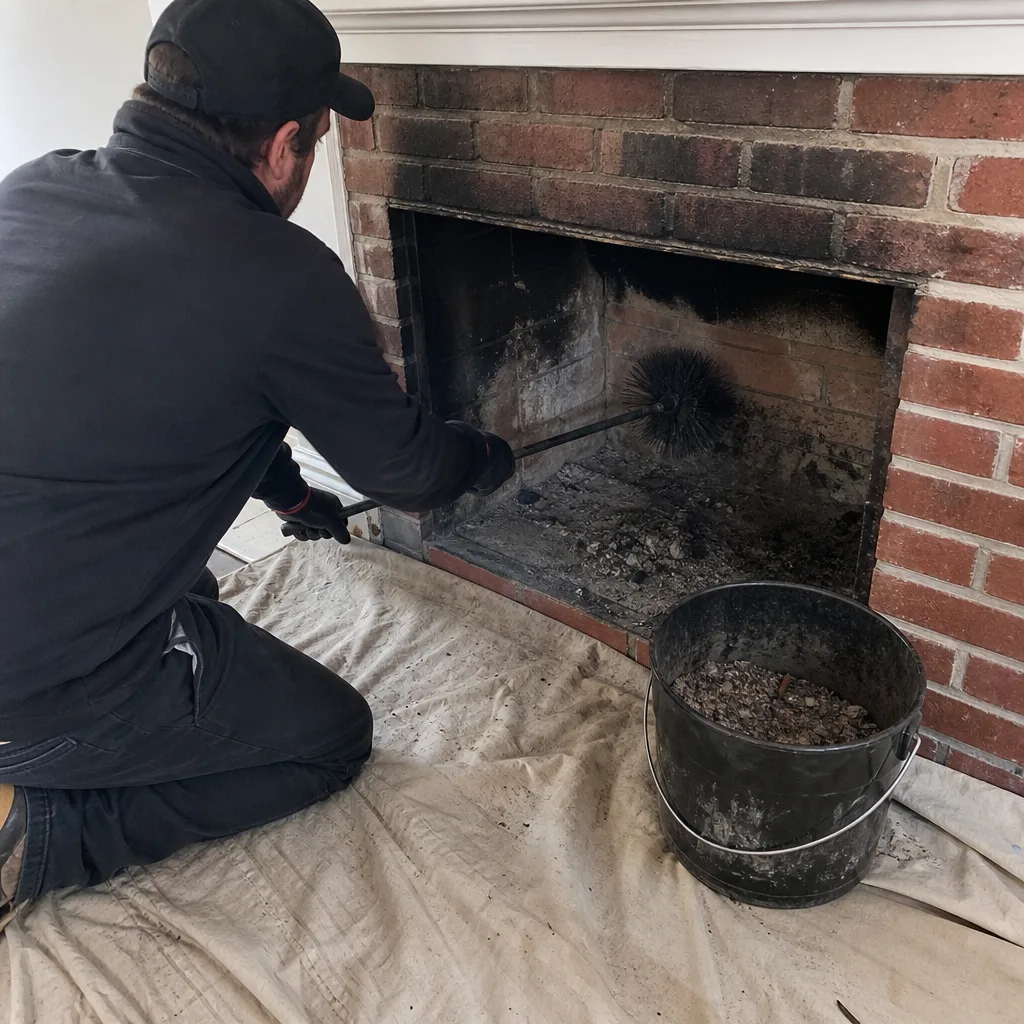
After the truck leaves, you should have documentation that proves what was done and what was found. Most Waltham homeowners receive a handwritten receipt or a generic invoice. That’s not a service record. It’s evidence of almost nothing.
A complete record under the Haven Standard contains:
- Pre-sweep photos. Timestamped images of the flue interior showing creosote deposits, liner condition, and any visible defects before any cleaning begins.
- Post-sweep photos. Timestamped images of the same flue sections after cleaning, demonstrating the deposits were removed.
- Flue measurements. Internal dimensions, material identification (clay tile, stainless steel, cast-in-place), and condition assessment for each flue segment.
- Written findings. Specific observations in plain language: “Clay tile liner, 8×12, three vertical cracks at 12, 18, and 24 feet. No displacement. Recommend monitoring annually.” Not “flue looks okay.”
- Itemized scope and price. What was done, what was recommended, what was declined, and what each costs. Signed by customer before work, signed by technician after completion.
- Warranty documentation. The 365-Day Done Right Promise, with specific coverage terms and how to invoke it.
Clause 4 of the Haven Standard requires this photo record on every job. We’ve maintained this practice since 2009. The archive now exceeds 38,000 documented chimney inspections and cleanings.
Why does this matter beyond peace of mind? Three scenarios:
- Home sale. Buyers in Waltham’s competitive market increasingly request Level 2 inspection documentation. A receipt won’t satisfy their inspector.
- Insurance claim. Post-fire, carriers want evidence the chimney was maintained. Photos with timestamps are persuasive.
- Dispute resolution. If a later contractor claims your liner needs replacement, your photo record from 18 months ago may show it was intact.
We use materials from Olympia Chimney, Famco, and Copperfield for repairs and liner installations, sourced through Haven’s buying network to keep customer prices honest. When replacement is actually needed, the documentation shows why.
Waltham’s Chimney Risk Calendar: When Fires Actually Happen
Chimney fires in Middlesex County follow a predictable seasonal pattern. Understanding it helps you time maintenance and recognize when your system is under stress. Our Seasonal Chimney Cleaning Care for Waltham: Year-Round Homeowner’s Guide breaks down what to watch for each month.
September-October: Shoulder Season Gas Restarts
Waltham homeowners fire up gas fireplaces and inserts as temperatures drop into the 50s. The risk here isn’t creosote, it’s deferred maintenance. Spider webs in vent terminals, deteriorated flex connectors, and failed safety switches from eight months of disuse. We find blocked termination caps every September on homes near the Charles River, where cottonwood fluff accumulates.
November-December: Wood-Burning Ramp-Up
First sustained cold. Systems that weren’t swept in spring get their first heavy use. This is when marginal liners fail, cracked crowns leak, and early-stage creosote deposits get their first real heat cycling. We see more emergency calls for smoke backup and CO detector alarms in these eight weeks than any other period.
January-February: Peak Fire Season
Massachusetts fire data shows chimney fires peak in these months. The combination of deep cold, heavy use, and glazed creosote that built up over previous seasons creates the highest-risk window. In Waltham, the January 2018 cold snap produced multiple chimney fires in a single week on streets off Lexington Street and Newton Street, where older masonry systems had gone years without documented inspection.
March-April: Freeze-Thaw Damage
Less fire risk, more structural damage. Water infiltration through cracked crowns or deteriorated flashing freezes and expands. Spalling brick, deteriorated mortar, and rusted dampers show up in spring inspections. This is the ideal window to schedule maintenance for the following season.
May-August: Maintenance Window
Best pricing, fastest scheduling, and the opportunity to address problems before they become October emergencies. We recommend Waltham homeowners book during this window.
The Two Questions That Separate a Real Sweep From a Flashlight Look
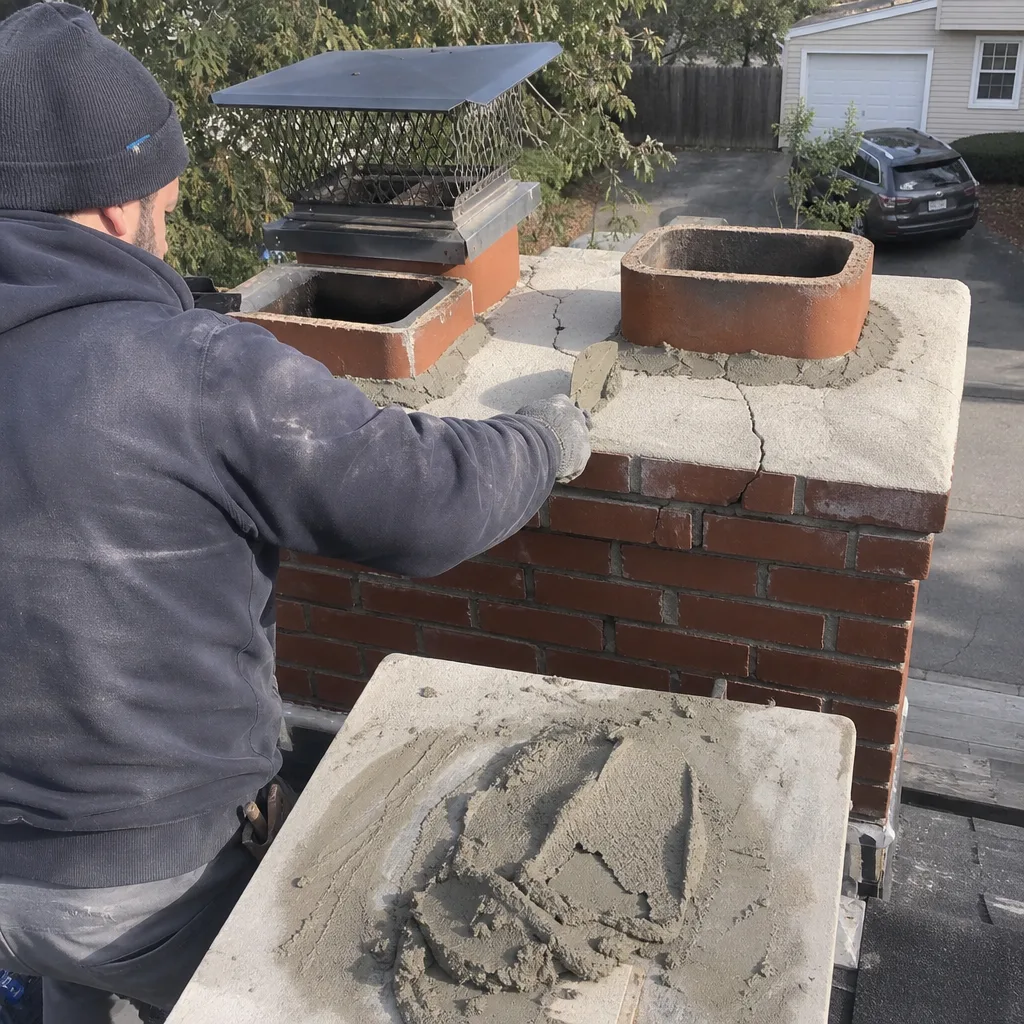
When you call any chimney company in Waltham, ask these two questions before booking. The answers tell you whether you’ll receive documented service or a receipt for a brush you never saw. For help vetting providers, read our How to Hire a Chimney Cleaning Contractor in Waltham: A Step-by-Step Guide.
Question 1: “Will I receive a timestamped photo report of my flue interior?”
A technician who says “we take pictures” or “our inspector will let you know if he sees anything” is not promising documentation. You want: “Yes, you’ll receive timestamped pre- and post-sweep photos of your entire flue, with written measurements and findings, before we leave.” If the answer involves an upsell or “premium inspection package,” you’re talking to a company that treats documentation as optional. At Level Two, it’s Clause 4 of the Haven Standard. Included. Always.
Question 2: “Is the written price itemized before work begins?”
Not “do you provide estimates.” Not “will I know the cost.” Specifically: will I see an itemized written price, with scope, before anyone starts work? Haven Standard Clause 1 requires this. We’ve delivered written prices on every job since 2009. No verbal quotes. No “it’ll be around…” ranges that balloon when the technician arrives.
Companies that hesitate on either question are selling a different product than we are. That’s not a value judgment. It’s a factual distinction you should understand before you choose.
Why Waltham’s Older Housing Stock Makes Camera Documentation Essential
Waltham’s residential architecture spans nearly two centuries, and the chimney systems reflect that range. Homes on Lexington Street, Newton Street, and the neighborhoods near Waltham Common include:
- Unlined masonry flues from the 19th century, sometimes multiple wythes thick with no clay tile
- Early 20th-century clay tile liners, often 8×12 or 8×8, installed when coal gave way to oil
- 1970s-1980s stainless steel retrofits, some properly sized, many not
- Modern factory-built metal chimneys, typically 1985 and newer
Each type fails differently. Unlined masonry suffers from mortar joint erosion and flue gas leakage into wall cavities. Clay tile cracks from thermal shock, especially when a new high-efficiency appliance is connected to an old flue. Stainless steel liners corrode at the joints or pull away from the top plate. Factory-built systems have listed clearances that get compromised during renovation.
A flashlight look from the top or bottom reveals none of this reliably. The camera sees what eyes cannot. In a 1910 Colonial on Crescent Street, we documented a completely detached clay liner segment that had been shifting for years. The homeowner had three previous “inspections” with no camera. None found it.
Waltham’s building department requires permits for liner replacement and structural repair, but not for routine sweeping. If your sweep finds damage and can’t explain the permit pathway, that’s a signal. We handle permit coordination for Fireplace Services in Waltham and repair work that requires inspection by the city.
Common Mistakes to Avoid
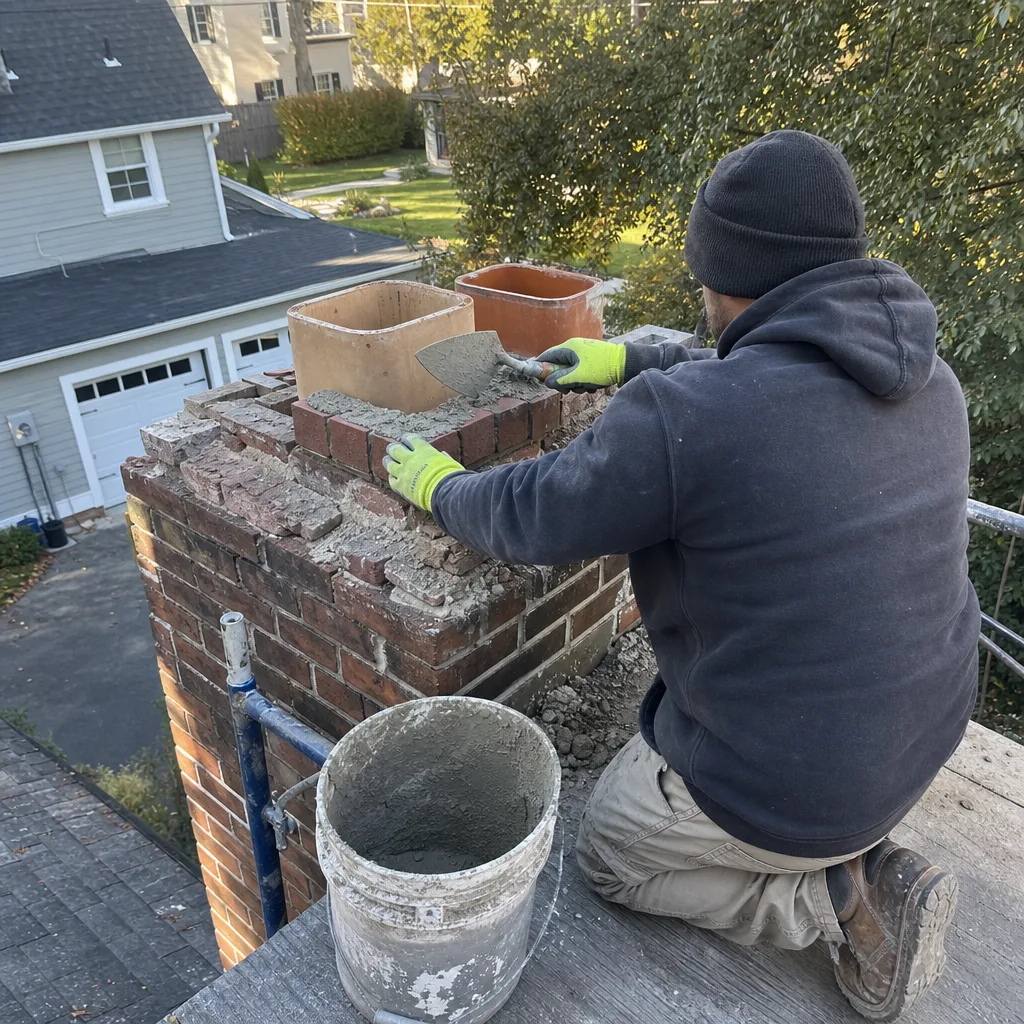
- Booking a “sweep special” without asking what’s included. The $129 price often excludes inspection, documentation, and sometimes even roof access. By the time upsells are applied, you’re at $400 with less documentation than a proper initial quote would have provided.
- Assuming gas fireplaces don’t need inspection. Gas systems produce corrosive condensation, deteriorate connectors, and can backdraft CO without visible warning. Annual Level 2 inspection applies to gas as well as wood.
- Waiting until October to schedule. Waltham’s best chimney companies book solid by late September. Spring and summer scheduling means better availability and no emergency premium.
- Accepting verbal quotes. Massachusetts consumer protection law requires written contracts for home improvement work over $1,000, but even sub-$1,000 chimney work should be documented. Verbal quotes are unenforceable and often disputed.
- Ignoring the smoke chamber. The area above the firebox and below the flue is where many chimney fires start. It’s inaccessible to standard brushes and requires specific inspection. Ask if your sweep includes smoke chamber evaluation.
- Using the chimney as a de facto trash incinerator. Burning wrapping paper, cardboard, or driftwood from Waltham’s riverbanks creates fast, hot fires that damage liners and accelerate creosote formation.
When to Call a Professional
Call for service before the situation becomes urgent. Specific triggers:
- It’s been more than 12 months since your last documented Level 2 inspection
- You smell smoke in rooms adjacent to the chimney
- Your damper is stuck or damaged
- Brick or mortar debris appears in the firebox
- You’ve changed appliance type (wood to gas, insert to stove) without inspection
- You’re buying or selling a home in Waltham
Level Two Chimney Waltham offers free estimates in Waltham. We’ll provide a written, itemized price before any work begins, and a free second opinion on any competitor’s written quote. Call (781) 649-9326.
Frequently Asked Questions
A proper chimney sweep with NFPA 211 Level 2 camera inspection in Waltham costs $199-$349. Basic sweeps without documentation run $129-$189 but leave you without proof of what was found or done. Heavy creosote removal can reach $450-$850. Call (781) 649-9326 for an exact quote on your system - estimates are free.
You should never accept a liner replacement recommendation without seeing timestamped photos of the damage and a written explanation of why repair won’t suffice. At Level Two, we show you the camera footage, explain the NFPA 211 standard that applies, and provide a free second opinion on any competitor’s written liner quote. If the liner is cracked, displaced, or missing segments, replacement may be necessary. If it’s intact with minor spalling, monitoring may be appropriate.
NFPA 211 recommends annual inspection for all chimney systems, with cleaning frequency based on use and deposit accumulation. Most Waltham homeowners with wood-burning fireplaces need annual sweeping. Gas systems need annual Level 2 inspection, with cleaning every 2-3 years unless corrosive deposits are found. The specific interval depends on what the camera shows, not the calendar.
Three outcomes become increasingly likely: chimney fire from ignited creosote (peak risk January-February in Middlesex County), carbon monoxide intrusion from cracked liners or blocked flues, and structural damage from freeze-thaw water infiltration that compounds repair costs. Insurance may deny claims for fire damage if documented maintenance is absent. Call (781) 649-9326 to schedule before the risk window.
A sweep removes deposits. An inspection evaluates condition. They’re separate services that are often bundled. In Waltham’s older housing stock, a sweep without Level 2 camera inspection is incomplete because it cannot verify liner integrity, hidden blockages, or structural defects. The Haven Standard requires both on every visit.
We don’t recommend DIY chimney cleaning for Waltham’s older masonry systems. Roof access on multi-story Colonials and Victorians presents fall hazards, and without camera equipment you cannot verify flue condition or confirm deposits are fully removed. For factory-built metal chimneys with straightforward access, basic brush cleaning is possible but still leaves you without documentation. A professional sweep with Level 2 inspection produces the record your insurance and home sale may require.
The Bottom Line
Chimney cleaning and chimney inspection are separate services with separate value. In Waltham’s market, most homeowners pay for cleaning and assume inspection was included. It often wasn’t. A complete service produces timestamped photos, written findings, an itemized price agreed to beforehand, and warranty documentation. Anything less leaves you without proof of what you paid for and vulnerable when you need evidence most. Schedule during the spring and summer maintenance window, ask the two questions that separate real documentation from a flashlight look, and keep your completed service record with your home files.
Written by Corrine Halstead, Owner at Level Two Chimney Waltham, serving Waltham since 2009.