
Last updated September 22, 2026
Level 1 sweep and inspection to the NFPA 211 annual standard - flue, crown, cap, and flashing checked and photographed
Chimney sweep logs do not sweep chimneys. They loosen some creosote - which then falls where a brush and vacuum still have to collect it.
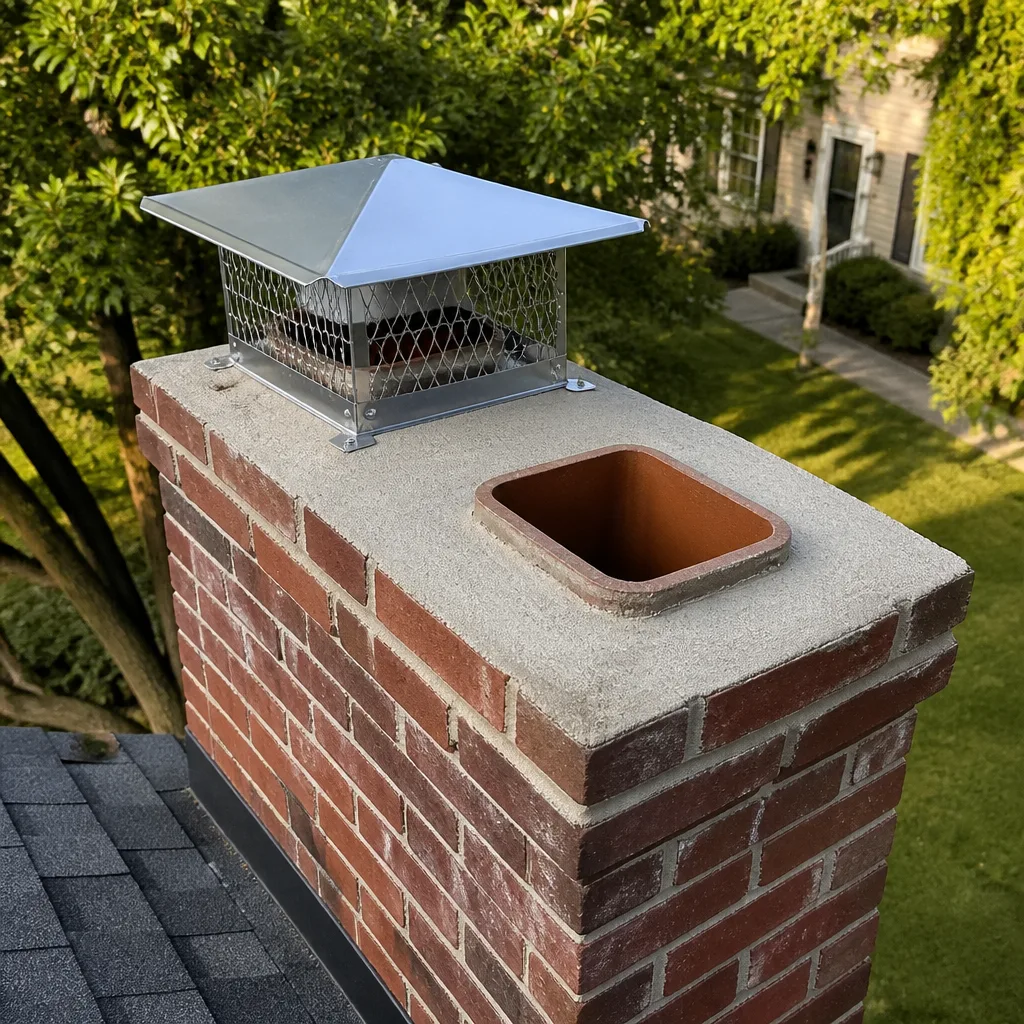
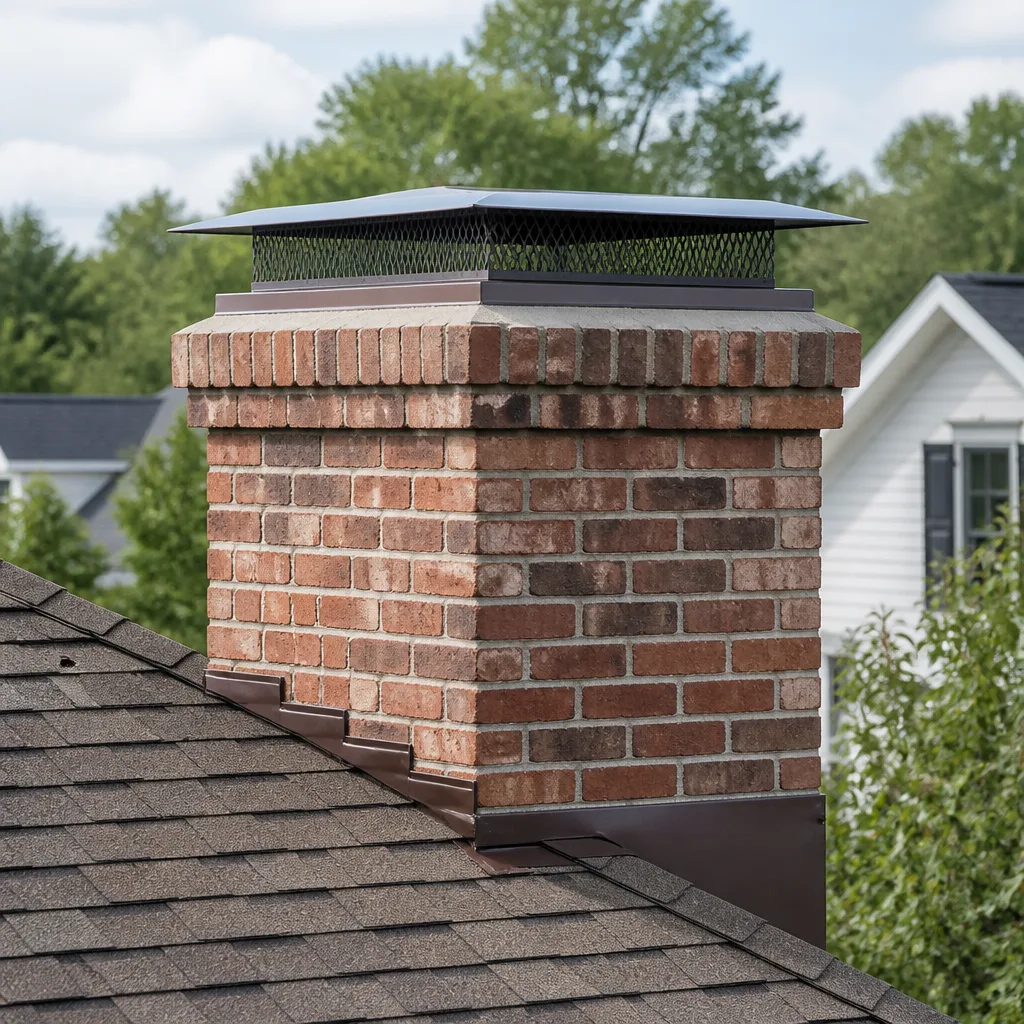
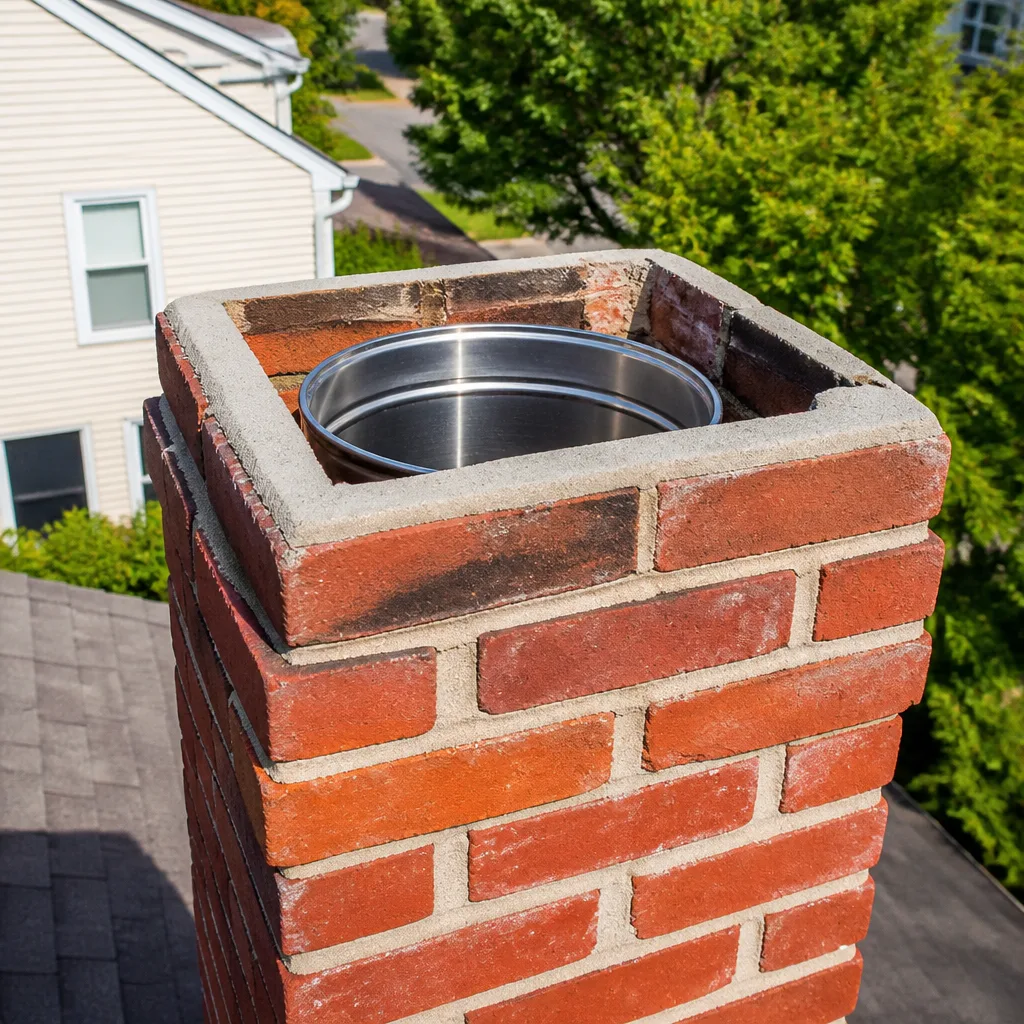
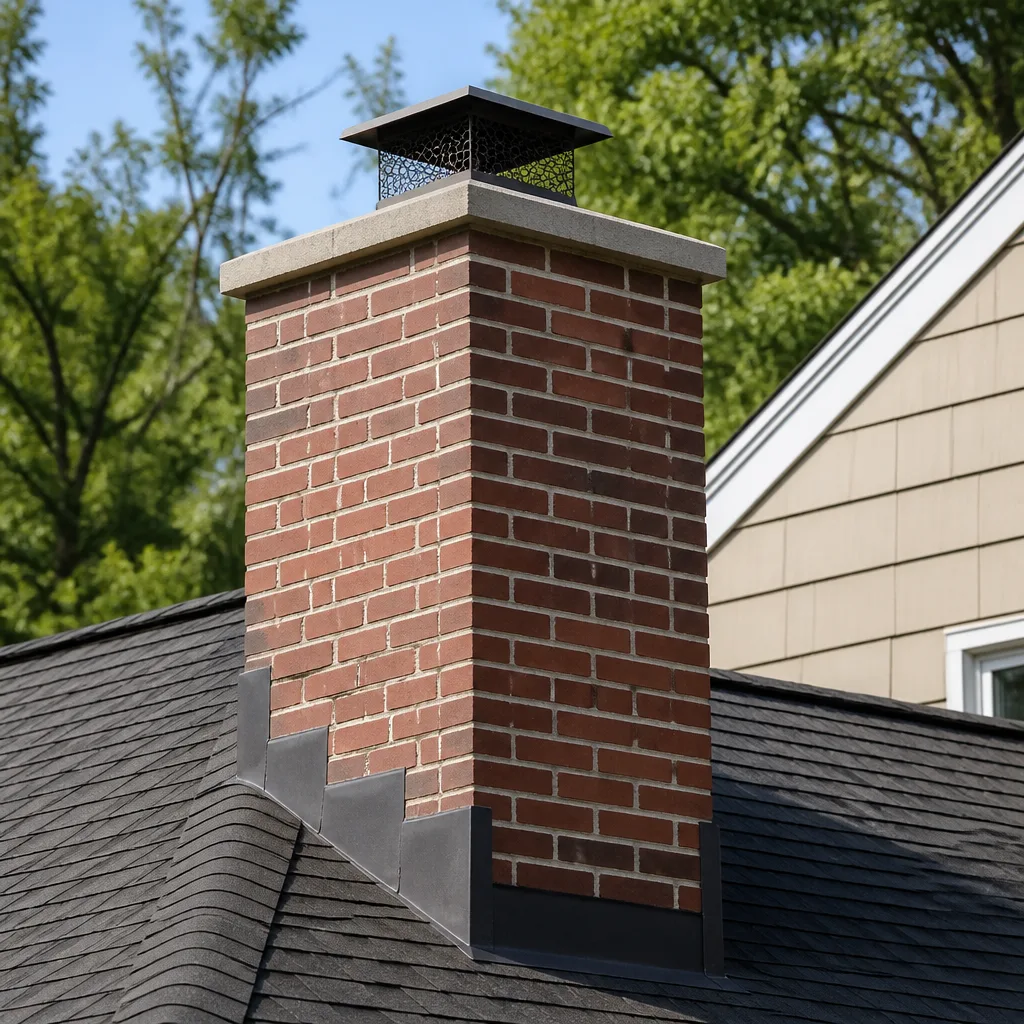
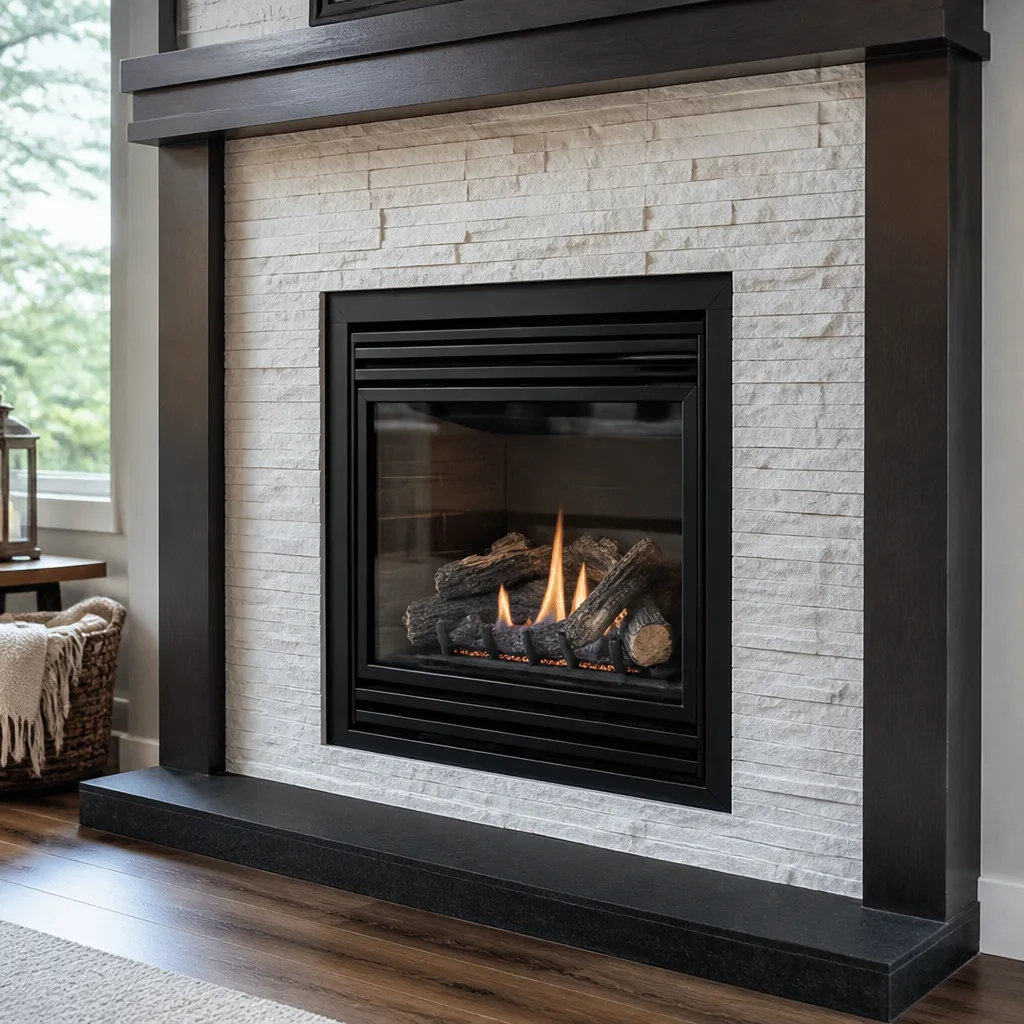
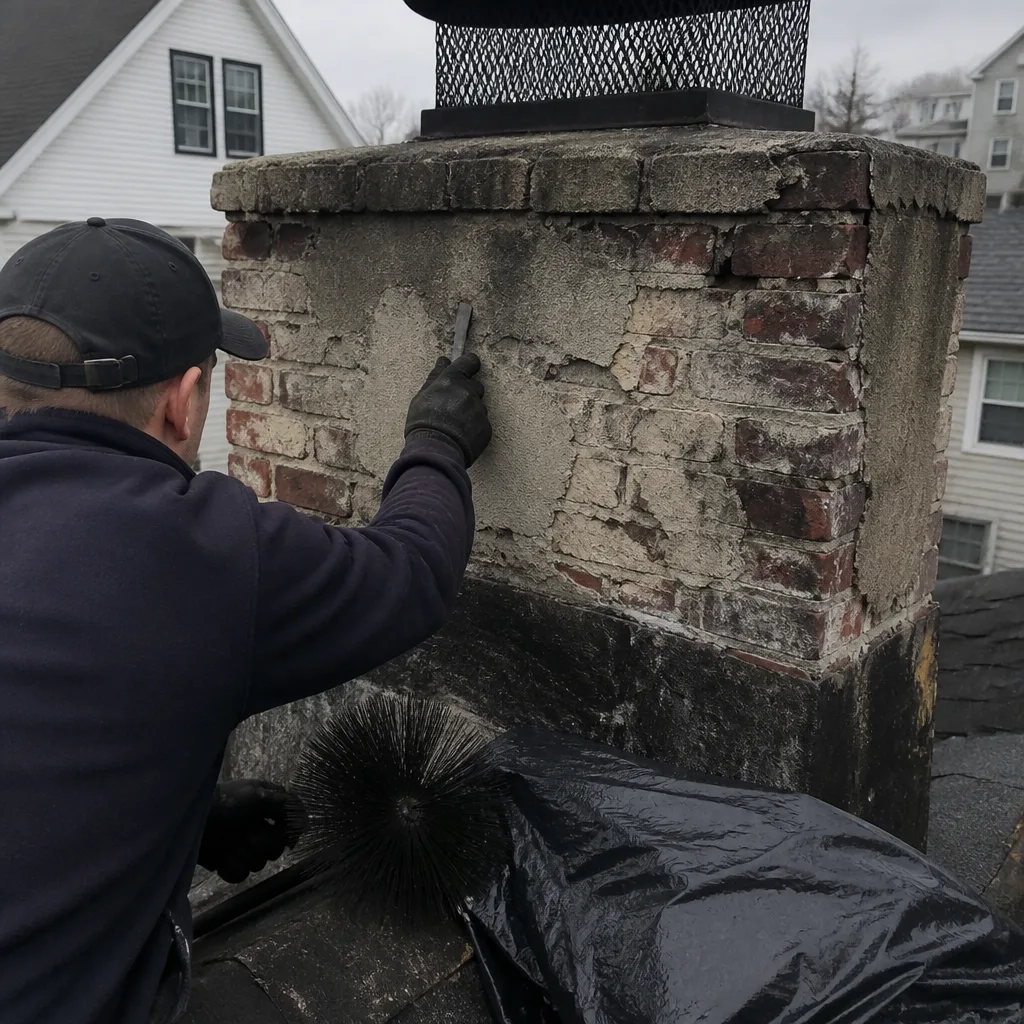 Before
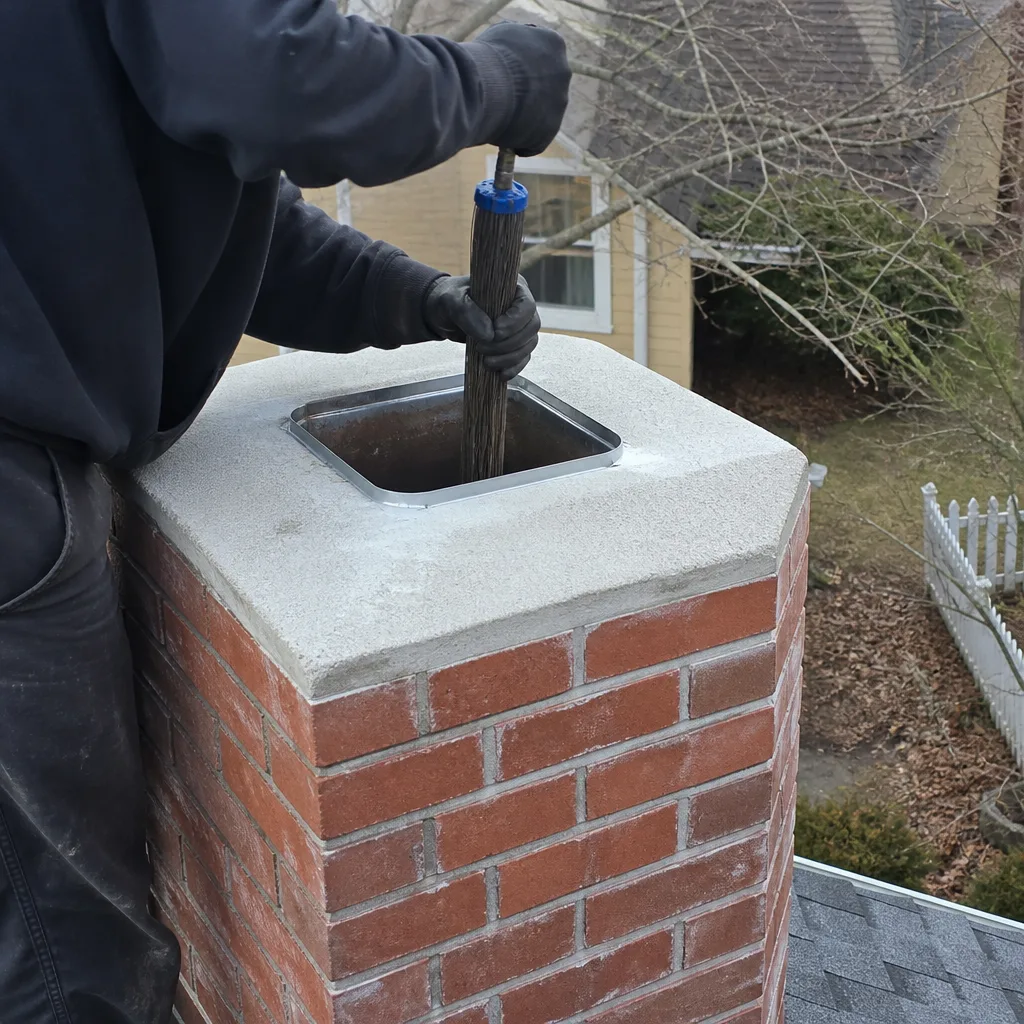 After
After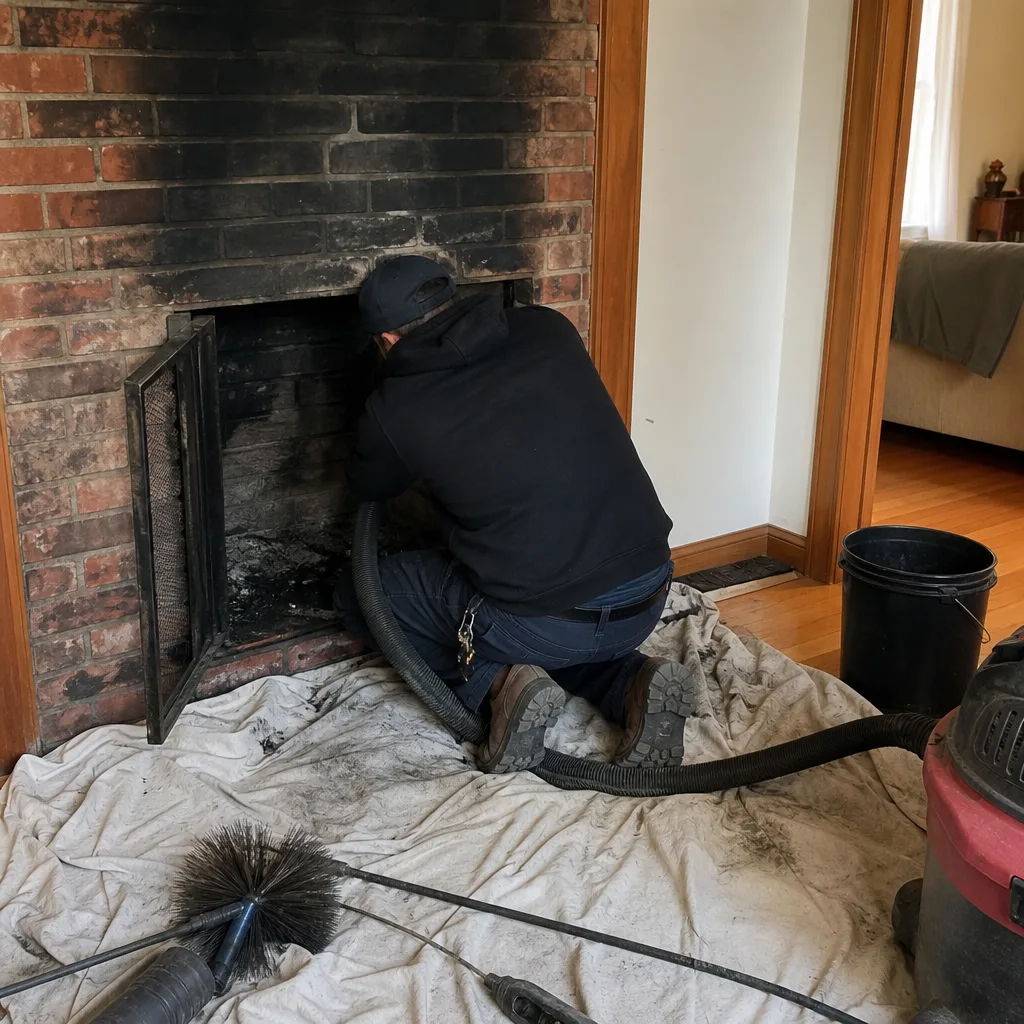 Before
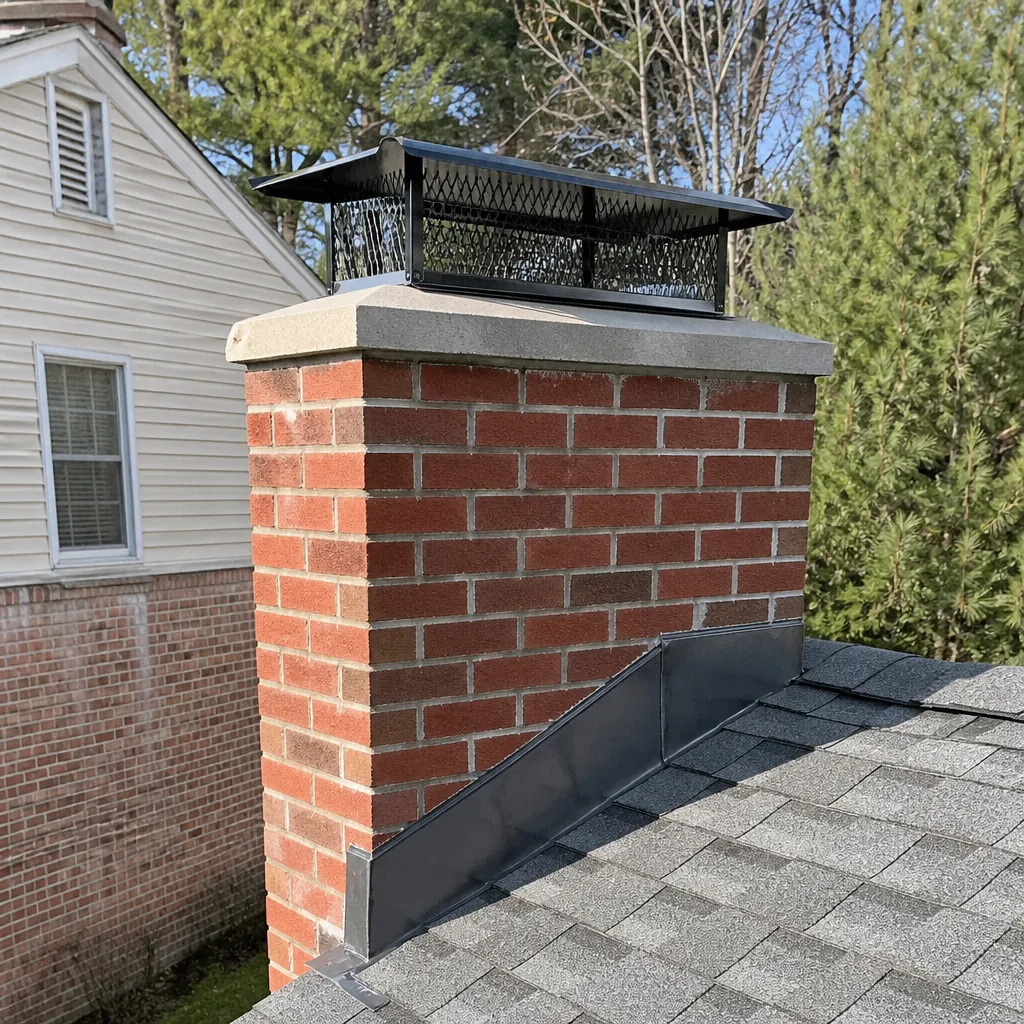 After
After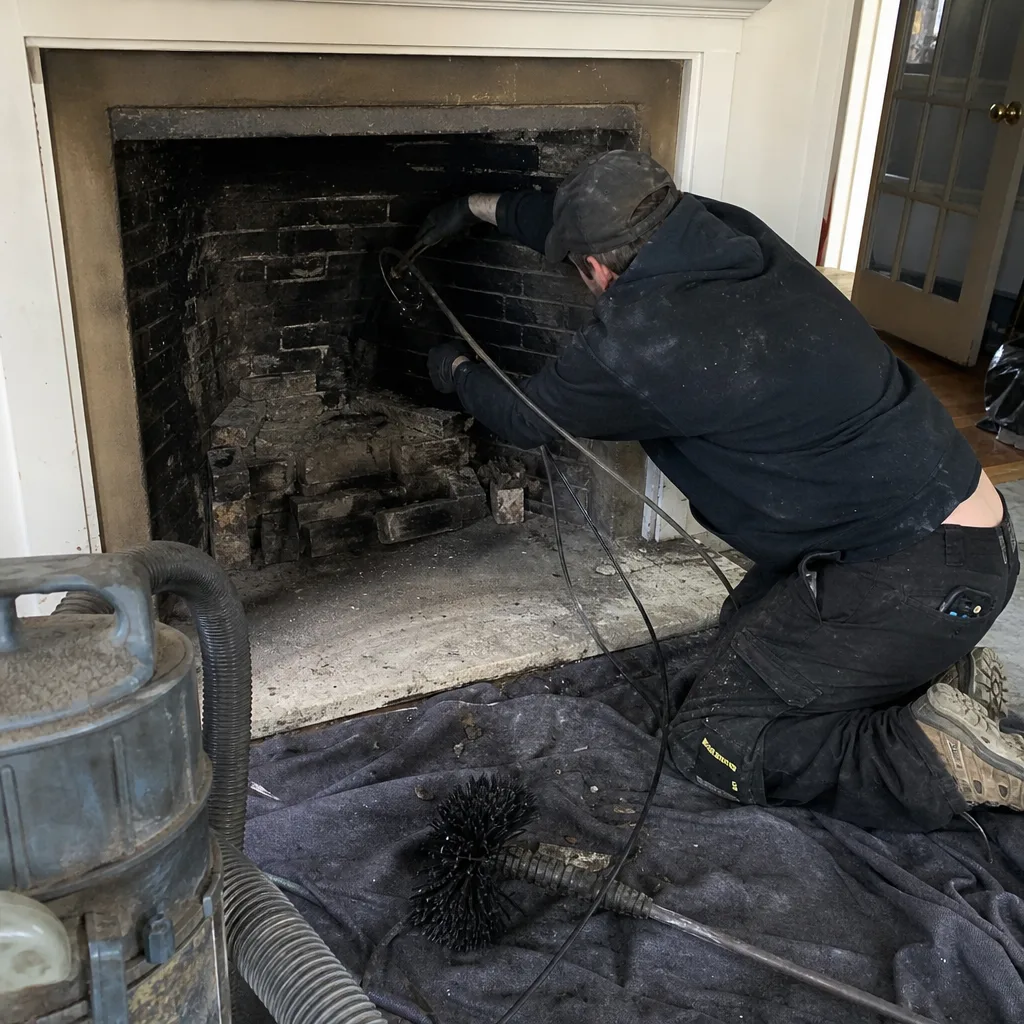 Before
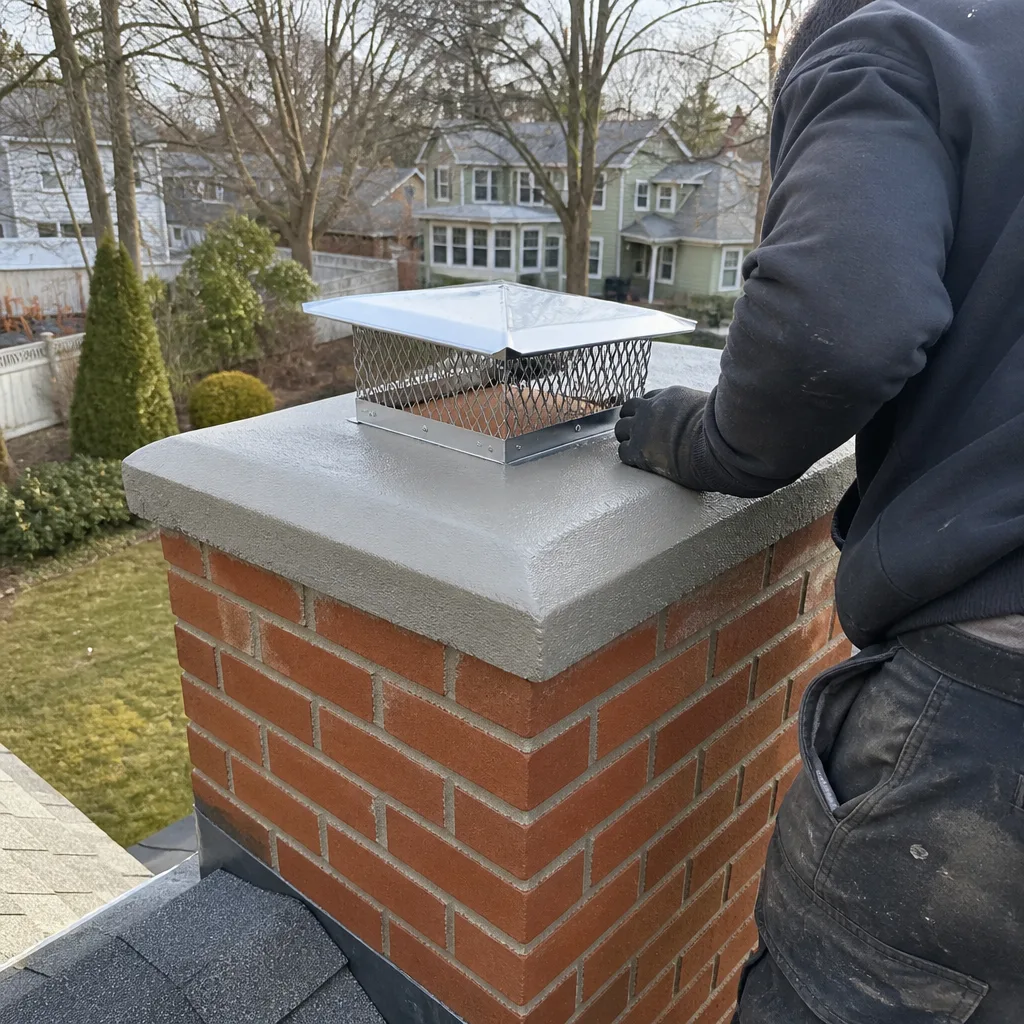 After
AfterChimney Cleaning Permits, Codes & Inspections in MA: What You Need to Know
A Waltham homeowner discovered at closing that a chimney relining job done two years prior had no permit on file. The repair was otherwise sound, the liner was intact, and the installation looked professional. But the sale was delayed 19 days while a retroactive inspection was arranged through the Waltham building department, and the seller absorbed $340 in permit and reinspection fees. In this guide and our The Complete Guide to Chimney Cleaning in Waltham, we’ll walk through what actually requires a permit in Massachusetts, what doesn’t, and how to protect yourself whether you’re staying put or selling in the next few years. We’ll also explain why a documented camera inspection closes the gap between what a sweep company delivers and what your home insurer expects to see.
Quick Answer
Chimney cleaning and sweeping in Massachusetts do not require a building permit under 780 CMR, the state building code. However, liner relining, firebox rebuilds, damper replacement, structural crown repair, and any conversion from oil or gas to solid fuel do require permits from your local building department. In Waltham, these permits currently range from $75 to $340 depending on scope, and unpermitted work is one of the leading causes of failed home inspections in Middlesex County.
Table of Contents
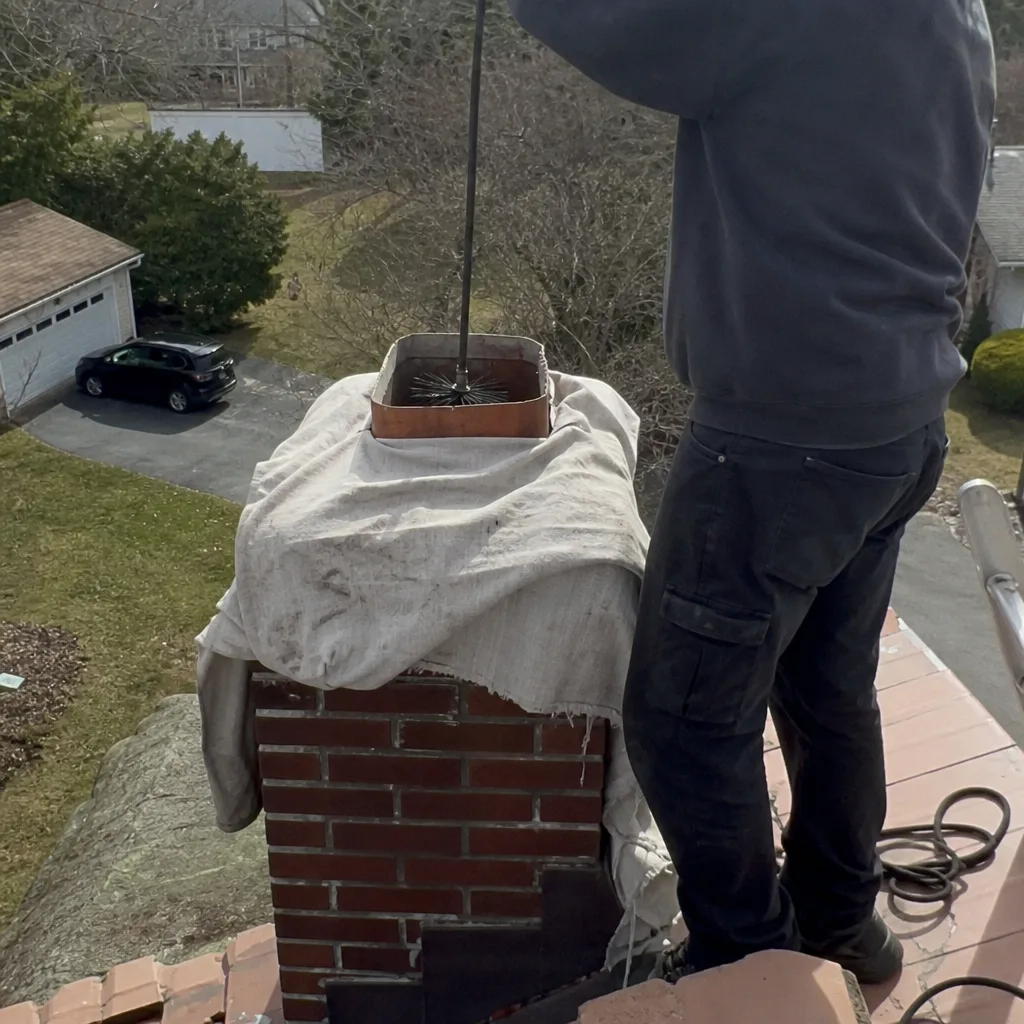
- What’s Maintenance vs. Alteration Under Massachusetts Law
- NFPA 211: The Inspection Standard, Not a Legal Code
- Waltham Building Permit Requirements and Current Fees
- The Insurance Documentation Gap: What Insurers Actually Want
- Converting from Oil or Gas to Wood-Burning in Waltham
- How Unpermitted Chimney Work Fails Home Inspections
- What a Documented Inspection Record Should Include
- Common Mistakes to Avoid
- When to Call a Professional
- Frequently Asked Questions
- The Bottom Line
 Before
 After
AfterWhat’s Maintenance vs. Alteration Under Massachusetts Law
The Massachusetts State Building Code, 780 CMR, draws a clear line between maintenance and alteration. Understanding this distinction saves you from permit surprises and protects your home’s resale value.
Maintenance work, no permit required:
- Chimney sweeping and creosote removal
- Visual inspection with a flashlight or mirror
- Cap and spark arrestor cleaning
- Firebox ash removal and basic brick cleaning
- Sealing minor crown cracks under 1/4 inch with brush-applied sealant
Alteration work, permit required:
- Flue liner installation, replacement, or relining
- Firebox rebuild or refractory panel replacement
- Damper replacement or throat modification
- Crown rebuild or structural repair exceeding cosmetic sealing
- Chimney extension or height modification
- Thimble or connector pipe modification
- Any change of fuel type (oil to gas, gas to wood, etc.)
We’ve inspected chimneys in Waltham’s Cedarwood neighborhood where a homeowner paid $2,800 for a liner replacement that was done well but never permitted. When they listed the home in 2023, the buyer’s inspector flagged the missing permit. The work itself met code, but without a Waltham building department sign-off, it was technically unverified. The seller had two choices: apply for a retroactive permit with full reinspection, or credit the buyer $1,500 to assume the risk. Neither option is pleasant at the negotiating table.
The key point: a sweep company can clean your chimney without paperwork, but if they find damage and propose repairs, ask about permits before you sign. A legitimate contractor in Waltham should handle permit filing as part of the job, not treat it as an afterthought or surprise add-on.
NFPA 211: The Inspection Standard, Not a Legal Code
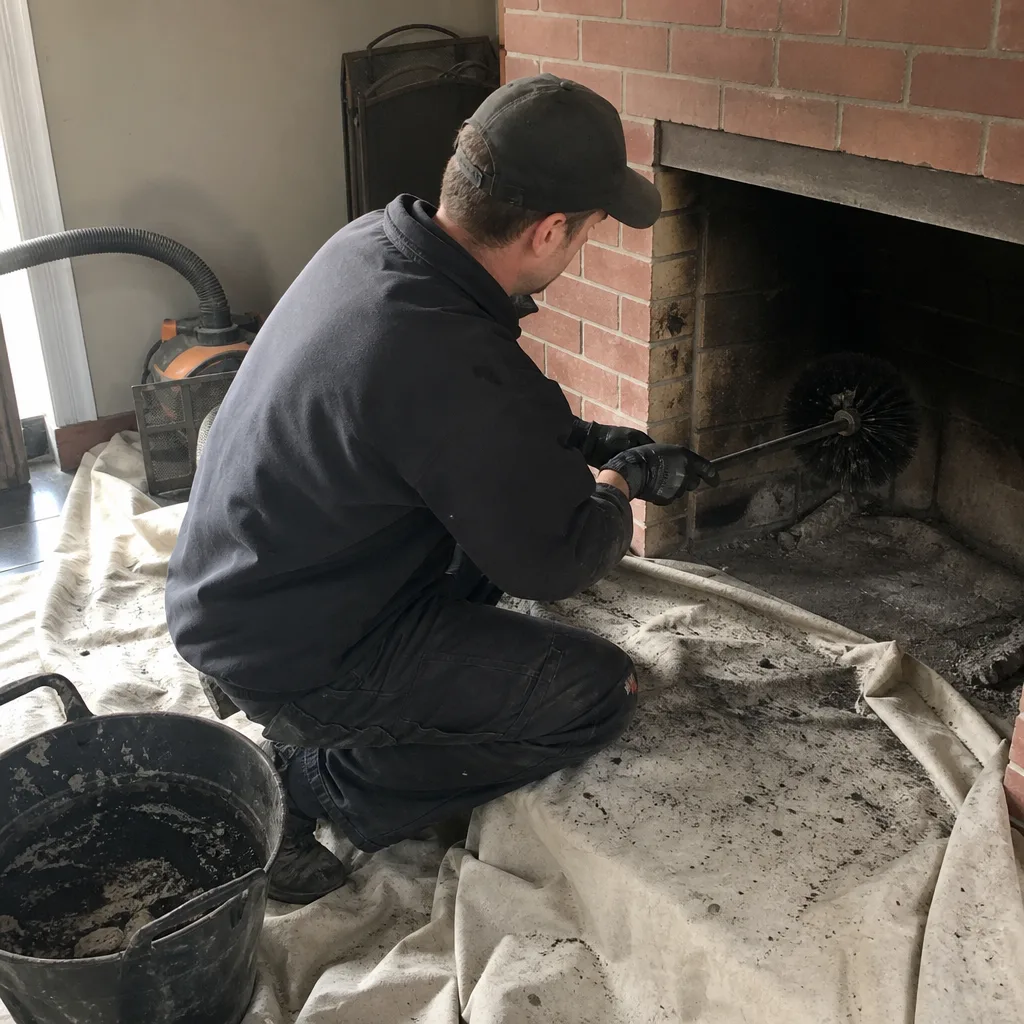
NFPA 211 is the Standard for Chimneys, Fireplaces, Vents, and Solid Fuel-Burning Appliances. It is published by the National Fire Protection Association and updated on a three-year cycle. Here’s what matters for Massachusetts homeowners: NFPA 211 is a standard, not a code. No municipality in Massachusetts can cite you for violating NFPA 211 directly. But the standard is referenced by 527 CMR, the Massachusetts fire prevention code, and it’s what insurance adjusters use to evaluate whether a chimney was properly maintained before a fire.
NFPA 211 defines three levels of inspection:
- Level 1: Visual examination of readily accessible portions of the chimney exterior and interior, and the appliance and chimney connection. Appropriate when no changes have been made to the system and you’re continuing with the same appliance under the same conditions.
- Level 2: Everything in Level 1, plus examination of accessible attics, crawl spaces, and basements, and a camera scan of the flue interior. Required upon sale or transfer of property, after an operating malfunction or external event (chimney fire, lightning strike, earthquake), or upon addition or removal of an appliance connected to the system.
- Level 3: Everything in Levels 1 and 2, plus demolition of concealed construction as necessary to investigate suspected hazards. Rarely needed; typically follows a Level 2 that reveals serious concealed damage.
At Level Two Chimney Waltham, we made the Level 2 camera scan our default on every visit starting in 2009. That practice became Clause 4 of the Haven Standard, our documented operating protocol. We did this because a flashlight inspection misses what a camera catches: cracked flue tiles hidden behind soot, gaps in mortar joints, and creosote buildup in offsets that would otherwise read as clear. In Waltham’s older housing stock, particularly the pre-1950 homes near Moody Street, we’ve found separated flue tiles in roughly one in four inspections where a Level 1 visual had been performed the prior year and pronounced acceptable.
Massachusetts insurers don’t require NFPA 211 compliance by name in most policies. But when a chimney fire occurs, the adjuster’s first question is whether the chimney was inspected annually by a qualified professional. If you can produce a dated report with photos, you have a defensible position. If you have a receipt for “chimney sweep, $189” with no documentation, you’re relying on goodwill.
Waltham Building Permit Requirements and Current Fees
Waltham’s Building Department operates under 780 CMR with local amendments adopted by the Waltham City Council. For chimney work, the city recognizes two permit categories: mechanical permits for liner and connector work, and structural permits for masonry rebuilds, crown replacement, and chimney extensions.
Current Waltham permit fee schedule (chimney-specific work):
| Work Type | Permit Category | Base Fee | Notes |
|---|---|---|---|
| Chimney liner replacement (same fuel type) | Mechanical | $75 | Requires manufacturer specs and installer certification |
| Liner relining with insulation wrap | Mechanical | $100 | Additional $25 for insulated systems per 780 CMR |
| Firebox rebuild or refractory panel replacement | Structural | $125 | May require engineered drawings for prefab units |
| Crown rebuild or replacement | Structural | $100 | Includes form inspection if poured concrete |
| Damper replacement (throat or top-mount) | Mechanical | $75 | Top-mount dampers may trigger roofing inspection |
| Chimney extension or height modification | Structural | $150 | Requires compliance with 780 CMR 10.2.10 clearance rules |
| Fuel conversion (any type) | Mechanical + Fire | $200 | Requires Waltham Fire Department sign-off; includes Level 2 inspection |
| Retroactive permit (after work completed) | Varies | Base fee + $100 | Requires full exposed inspection; may require partial demolition |
These fees are current as of the most recent Waltham fee schedule update. They do not include the cost of required inspections, which are typically built into contractor pricing or billed separately at $50-$75 per visit.
A permit application in Waltham requires: a completed application form, a detailed scope of work, manufacturer specifications for any listed components (liners from DuraFlex or Olympia Chimney systems, for example), proof of contractor licensing, and a certificate of insurance. The Building Department at 119 School Street processes most chimney permits within 5-7 business days, though fuel conversions require Fire Department review and can take 10-14 days.
We’ve handled permit filing for Waltham homeowners since 2009. Clause 1 of the Haven Standard requires a written price before work starts, and that written scope explicitly states whether permits are included, what they cost, and who files them. No surprises, no closing-table discoveries.
The Insurance Documentation Gap: What Insurers Actually Want
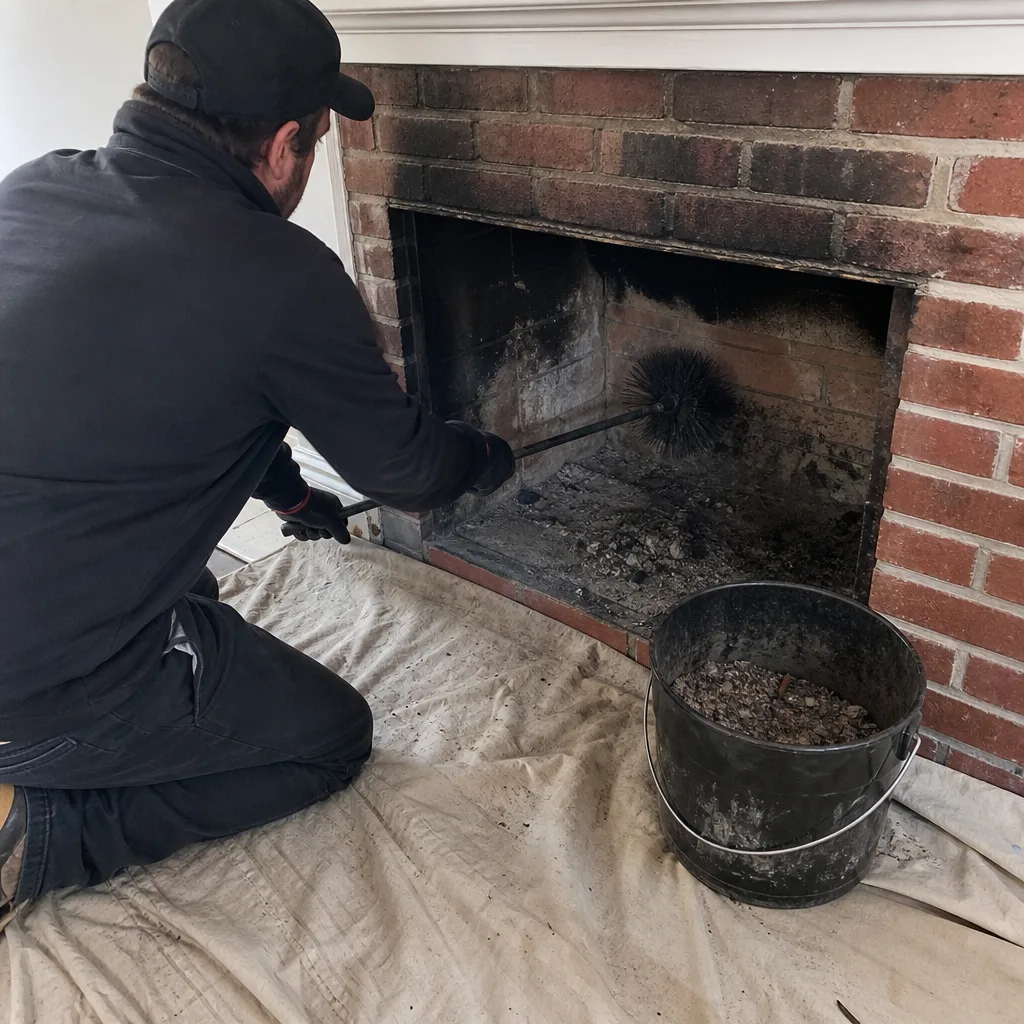
Here’s a gap most homeowners don’t discover until it’s too late: what your chimney sweep calls a “documented inspection” and what your home insurer recognizes as proof of maintenance are often different things.
A typical sweep company “report” might include a checklist with checkmarks for “flue clear,” “crown sound,” “cap present.” That’s documentation, but it’s not evidence. An insurance adjuster looking at a chimney fire claim wants dated, geotagged photographs; a narrative description of findings; and a clear statement of recommended repairs with the homeowner’s acknowledgment. Without these, the insurer can argue that the homeowner failed to maintain the system properly, shifting liability and potentially denying coverage.
What closes this gap:
- Camera footage of the full flue length, not selective stills. A complete scan shows what was there and what wasn’t.
- Timestamped photos of the firebox, smoke chamber, damper, and exterior crown, with visible conditions described in plain language.
- A written scope of recommended work with prices, signed or acknowledged by the homeowner, proving the information was communicated.
- Completion photos showing installed materials and finished conditions, creating a before-and-after record.
- Annual recurrence with comparable documentation, establishing a maintenance history rather than a one-time event.
Since 2009, we’ve completed more than 38,000 chimney inspections and cleanings, every one with a written price before work started and a documented record when it was done. That archive practice became Clause 4 of the Haven Standard. In Waltham specifically, we’ve had three customers successfully defend claims where documentation was requested, because they had dated photo records with clear condition descriptions, not just receipts.
If your current sweep hands you a carbon-copy checklist and no photos, you’re carrying risk that a camera scan would eliminate. The cost difference between a basic sweep and a Level 2 documented inspection is typically $80-$150. The cost of an insurance dispute is measured in thousands, plus the time and stress of proving a negative.
Converting from Oil or Gas to Wood-Burning in Waltham
Fuel conversion is where permit requirements, inspection standards, and fire code intersect most aggressively. If you’re considering converting an oil or gas fireplace to wood-burning in Waltham, you’re not just changing what you burn. You’re changing the thermal profile, the exhaust chemistry, and the clearance requirements of a system that was engineered for a different fuel.
Under 527 CMR, the Massachusetts fire prevention code, any change from liquid or gaseous fuel to solid fuel requires:
- A mechanical permit from Waltham Building Department ($200 base fee)
- A Waltham Fire Department inspection and sign-off
- An NFPA 211 Level 2 inspection with camera scan of the flue
- Verification that the existing flue liner is rated for solid fuel temperatures (minimum 2100°F for residential wood-burning)
- Compliance with 780 CMR clearance requirements to combustibles, which are stricter for wood-burning than for gas
We’ve inspected conversions in Waltham’s Piety Corner and Warrendale neighborhoods where homeowners assumed the existing terracotta liner would handle wood-burning because it had handled oil for decades. Oil burns at lower flue temperatures and produces different corrosive byproducts. A terracotta liner that was adequate for oil can crack within two heating seasons of wood-burning use, because the thermal cycling is more extreme and the creosote acidity is different.
The proper sequence for conversion is:
- Schedule a Level 2 inspection with camera scan to assess current flue condition and liner suitability.
- If the liner is unsuitable, obtain a written scope for stainless steel relining with appropriate fuel rating (we typically specify DuraFlex or Olympia Chimney components for Waltham installations).
- File the mechanical permit with Waltham Building Department, including manufacturer specs and installer certification.
- Complete the relining and any necessary firebox modifications.
- Schedule the Waltham Fire Department inspection and the Building Department final.
- Obtain the certificate of completion and add it to your home’s permanent record.
Skipping any step in this sequence creates liability. We’ve seen homeowners who completed beautiful conversions with professional-looking liner installations, only to discover at sale that no permit was filed and no Fire Department sign-off obtained. The fix is always more expensive than doing it right the first time, and the retroactive process can require exposing work that was already finished and sealed.
How Unpermitted Chimney Work Fails Home Inspections
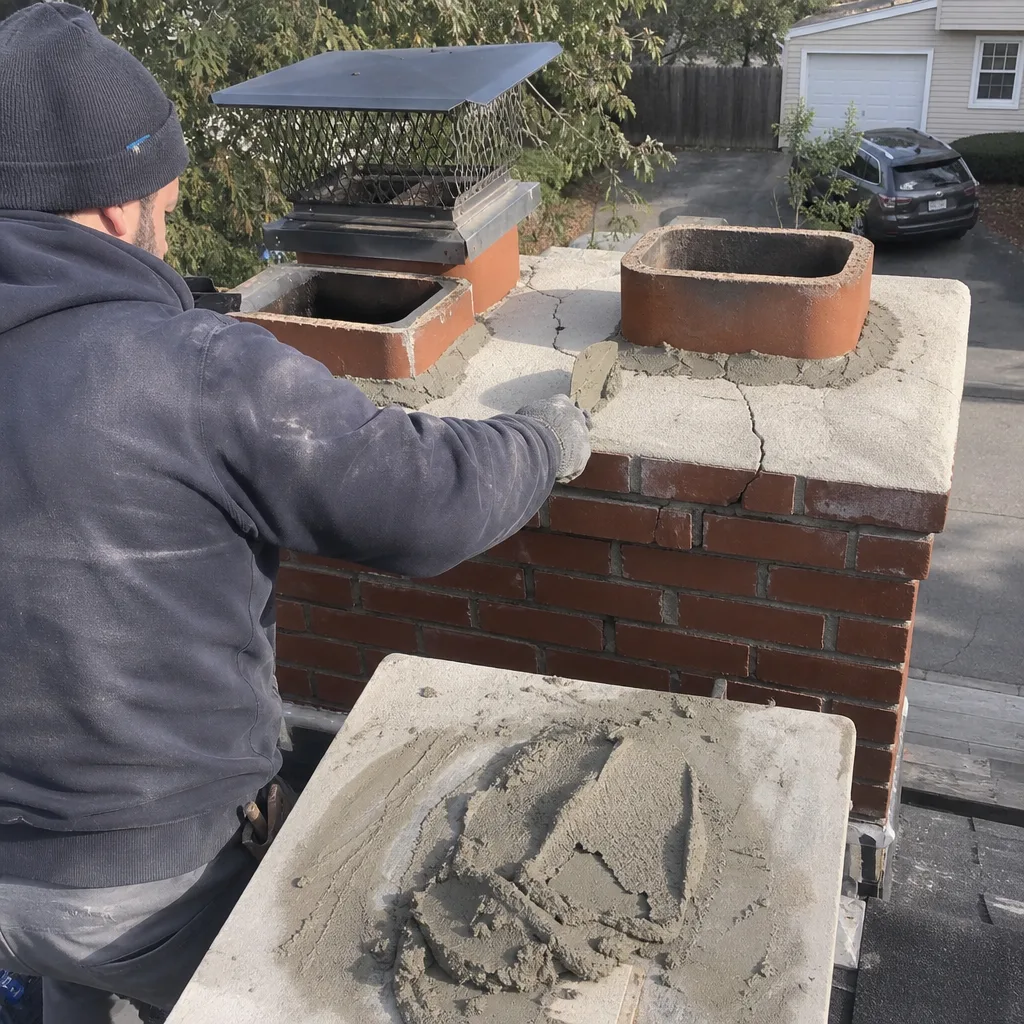
Home inspectors in Middlesex County are increasingly diligent about chimney permits, and for good reason. Unpermitted chimney work is one of the most common defects found in pre-sale inspections, and it’s one of the few that can delay or derail a closing.
Here’s how it typically plays out. The buyer’s inspector notes a relatively new liner, a rebuilt crown, or a modified firebox. The inspector asks the seller for permits. The seller checks their files and finds none, or finds a receipt that doesn’t mention permits. The buyer’s attorney flags it as a title issue: unpermitted work may not meet code, may not be insurable, and may create liability for the new owner. The buyer demands either a retroactive permit with full inspection, a credit for estimated permit and repair costs, or in some cases, walks away entirely.
In Waltham specifically, we’ve tracked this pattern across multiple neighborhoods. The 19-day delay in the Cedarwood case we opened with was actually on the shorter side. Retroactive permits in Waltham require:
- Exposing the work for inspector visibility (removing panels, opening access points)
- A full mechanical or structural inspection by the Building Department
- Possible destructive testing if the inspector can’t verify conditions
- Correction of any deficiencies found, even if the original work was done correctly
- Reinspection and final sign-off
The $340 in fees from our opening example doesn’t include the cost of re-exposing work, repairing finishes, or correcting minor deviations that wouldn’t have been flagged if a permit had been filed during original construction. We’ve seen retroactive processes cost $800-$2,500 when all costs are tallied.
The preventive measure is simple: before any chimney repair begins, confirm in writing that permits will be filed and who will file them. At Level Two Chimney Waltham, permit filing is included in our written scope when required, with the fee listed as a line item. Clause 1 of the Haven Standard requires this transparency. If a contractor tells you permits “aren’t necessary” for liner replacement or crown rebuild, get a second opinion, because they’re almost certainly wrong about Massachusetts requirements.
What a Documented Inspection Record Should Include
Whether you’re staying in your home for decades or planning to sell next spring, your chimney documentation should meet a standard that protects you in both scenarios. Here’s what a complete record looks like, based on what we’ve delivered since 2009 and what we’ve seen hold up in insurance and real estate contexts.
The pre-work documentation:
- Customer name, property address, and date of inspection
- Appliance type, fuel type, and manufacturer/model if visible
- Flue dimensions, construction type (masonry, factory-built, etc.), and liner material
- Camera footage of full flue length, with narration or timestamped stills at regular intervals
- Condition assessment of firebox, smoke chamber, damper, crown, cap, and exterior masonry
- Creosote classification (Class I, II, or III) with location and thickness measurements
- Clearance measurements to combustibles where accessible
- Written scope of recommended work with flat prices, no ranges hidden behind “call for quote”
- Homeowner acknowledgment signature or electronic confirmation
The post-work documentation:
- Date of completion and technician identification
- Installed materials with manufacturer and model (for example: “Olympia Chimney 316Ti stainless liner, 6″ diameter, insulated wrap”)
- Completion photos showing installed conditions
- Permit number and inspection sign-off if work required permitting
- Written warranty terms with duration and coverage specifics
- Next recommended inspection date based on fuel type and usage
We store these records indefinitely. Customers from 2009 can still request their documentation, and we’ve produced records for insurance claims, estate settlements, and home sales more than a decade after the original work. This isn’t a convenience feature; it’s a duty of care that became formalized as Haven Standard Clause 4.
If your current sweep company can’t produce a comparable record from your last visit, you’re not fully protected. Ask for it. If they can’t provide it, consider whether you’re getting inspection or just cleaning.
Common Mistakes to Avoid
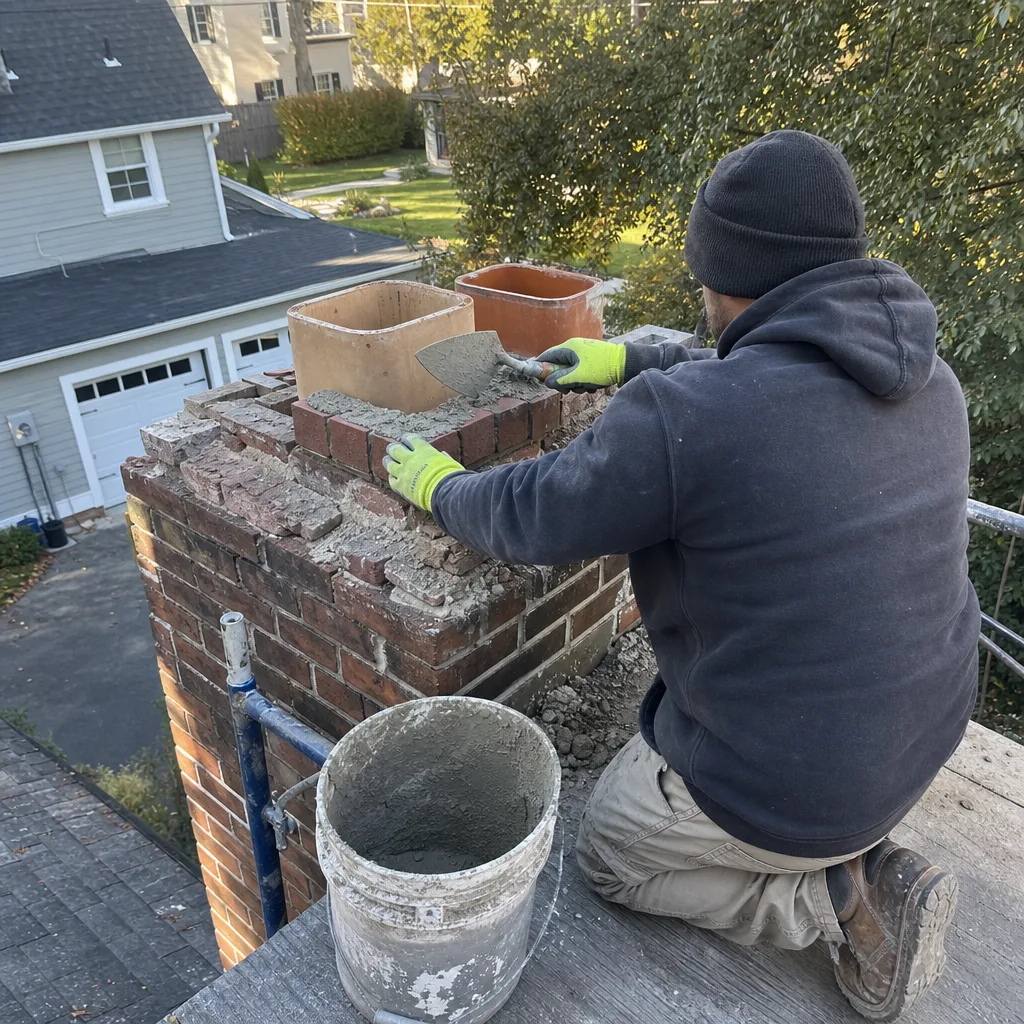
- Assuming cleaning and inspection are the same service. A sweep removes creosote. An inspection evaluates system condition. In Waltham, we’ve found critical liner damage in chimneys that were “swept annually” but never camera-scanned. Book both, or confirm your sweep includes Level 2 inspection by default.
- Accepting verbal estimates for repair work. Massachusetts law doesn’t require written estimates for home improvement work under $1,000, but unwritten scopes are where disputes begin. Clause 1 of the Haven Standard requires written price, written scope, and written warranty before any work starts. If a contractor won’t put it in writing, that’s information.
- Letting the contractor handle permits “later.” Permits should be filed before work begins, not after. In Waltham, work started without a permit can be red-tagged, requiring stoppage until proper filing is completed. Ask for the permit application number and confirm filing with the Building Department at 119 School Street.
- Neglecting the smoke chamber. The smoke chamber is the area above the firebox and below the flue, and it’s where many chimney fires start. It’s also the hardest area to inspect without a camera. A flashlight inspection from below misses sloped wall conditions that a camera scan reveals. We’ve found eroded parging and exposed brick in Waltham homes where the smoke chamber was pronounced “fine” in prior inspections.
- Converting fuel types without understanding liner requirements. Oil and gas flue gases are cooler and more moist than wood exhaust. A liner adequate for oil can fail quickly with wood. Always verify liner temperature rating before conversion, and document the verification.
- Discarding documentation after “minor” repairs. That $400 cap replacement or $600 damper fix becomes relevant at sale, during insurance review, or when the next problem develops. Keep all chimney records with your home’s permanent files, not in a drawer you clean out every few years.
- Hiring based on lowest price without verifying what’s included. A $149 sweep that doesn’t include camera inspection, doesn’t produce photos, and doesn’t check clearances is cheaper than a Level 2 inspection at $280-$350. But it leaves you with a clean flue and undetected risk. In chimney work, what you don’t see is what costs you later.
When to Call a Professional
Call a qualified chimney professional when you notice any of these conditions-visible creosote flakes in the firebox, smoke entering the room during operation, a persistent odor from the fireplace when not in use, white efflorescence staining on exterior brick, or any separation or spalling on the crown-described in our Chimney Cleaning Warning Signs: A Waltham Homeowner’s Reference Guide. These are not cosmetic issues; they’re early indicators of conditions that worsen with use and weather exposure.
Also call before any fuel conversion, before listing your home for sale, and after any chimney fire, lightning strike, or seismic event, even if no visible damage appears. NFPA 211 requires Level 2 inspection after these events, and your insurer will expect compliance if a later claim arises.
Level Two Chimney Waltham offers free estimates in Waltham and surrounding Middlesex County communities. Every estimate includes a written scope, written price, and explanation of any permit requirements before work begins. Call (781) 649-9326 to schedule, or request an appointment through our live phone support, available 24 hours a day.
Frequently Asked Questions
No. Chimney cleaning, sweeping, and basic maintenance do not require a building permit under 780 CMR, the Massachusetts State Building Code. These activities are classified as routine maintenance. However, if cleaning reveals damage requiring liner replacement, firebox rebuild, crown repair, or any structural modification, those repairs do require permits from your local building department. Call (781) 649-9326 for a free estimate that includes permit disclosure.
A Level 1 sweep with basic visual inspection in the Waltham market typically runs $180-$250. A Level 2 inspection with full camera scan, photo documentation, and written condition report ranges from $280-$380 depending on flue accessibility and number of appliances. Repairs are quoted separately in writing before any work begins. We don’t provide ranges over the phone that change when the technician arrives.
NFPA 211 is a voluntary standard published by the National Fire Protection Association; it describes how chimneys should be inspected and maintained. The Massachusetts State Building Code (780 CMR) is law; it governs what construction and alteration work requires permits. Massachusetts fire prevention code (527 CMR) references NFPA 211 for inspection protocols, particularly for solid fuel installations. A sweep can follow NFPA 211 without breaking the law, but a contractor performing alterations without permits violates 780 CMR regardless of how well the work is done.
You need a new liner when the existing one is cracked, separated, eroded beyond manufacturer tolerances, or rated for a fuel type you’re no longer using. We don’t recommend liner replacement without camera evidence you can see for yourself. In our Waltham inspections, we’ve also identified situations where liner condition is degraded but not immediately hazardous, and we’ve told homeowners explicitly when work can safely wait a season with increased monitoring. The photo record makes that judgment transparent and verifiable.
For wood-burning systems, NFPA 211 recommends annual inspection and cleaning when creosote buildup reaches 1/8 inch. In practice, Waltham’s cold winters and the tendency of homeowners to burn seasoned hardwood from late October through March means most active wood-burning chimneys need annual service. Gas and oil systems typically require less frequent cleaning but still benefit from annual inspection for blockages, moisture damage, and venting integrity. We document recommended return dates on every completion report.
Skipped maintenance leads to creosote accumulation, which increases chimney fire risk. Class III creosote, the hardened glazed form, is particularly dangerous and requires mechanical removal. Unchecked moisture intrusion degrades flue liners, corrodes dampers, and spalls exterior brick. In Waltham’s freeze-thaw climate, minor crown cracks that could have been sealed for $200-$300 often expand to require full rebuilds at $1,500-$3,000. Most critically, undetected liner damage can allow carbon monoxide leakage or structural fire spread. The cost of annual inspection is minor compared to the consequences of deferred maintenance.
Yes. Level Two Chimney Waltham provides free second opinions on any written estimate from a licensed competitor. Bring us the written scope and we’ll review it against what our camera inspection finds, with no obligation to hire us. We’ve identified unnecessary work in competitor quotes, and we’ve also confirmed when recommended repairs were appropriate. The Haven Standard includes this service because informed homeowners make better decisions.
The Bottom Line
Chimney cleaning in Massachusetts requires no permit, but the repairs that cleaning uncovers often do, and the distinction matters most when you’re selling, converting fuels, or filing an insurance claim. In Waltham, permit fees range from $75 for simple liner work to $340 for complex retroactive filings, and unpermitted work is now one of the leading causes of pre-sale complications in Middlesex County. Protect yourself by demanding written scopes that disclose permit requirements, following a Chimney Cleaning & Sweep Maintenance Checklist for Waltham Homeowners, insisting on camera documentation that satisfies both sweep standards and insurer expectations, and keeping records that outlast your tenure in the home. The cost of doing this right is modest. The cost of discovering a problem at closing is not.
For a free estimate that includes written pricing, permit disclosure, and a Level 2 camera inspection with documented photo record, call Level Two Chimney Waltham at (781) 649-9326, or browse more guides & resources. Live phone support is available 24 hours a day, and every estimate is delivered under the Haven Standard with no obligation.
Written by Corrine Halstead, Owner at Level Two Chimney Waltham, serving Waltham since 2009.